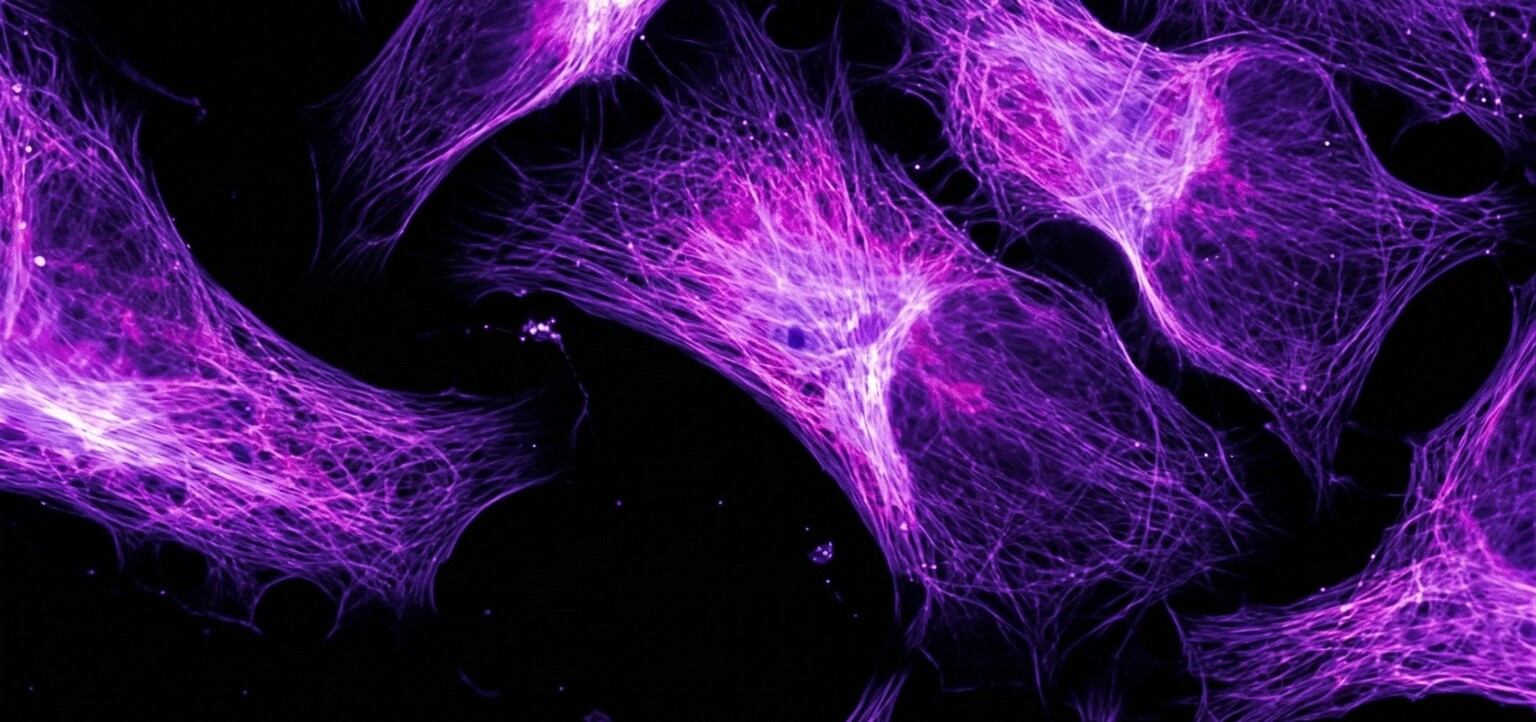
If I had $1B I would build in noninvasive biotech devices. Microscopes. Shine some waves on your cells to understand what state they’re in at multiple time points
01 / The idea
An idea,
written down.
Before there was Cell Cinema, there was a question: what would it take to observe the same living cells at multiple points in time? That ambition appeared in a March 2024 post: the beginning of the story we are building together.
The follow-up was just as important: “Make it portable and affordable.” The goal was to make a new kind of observation possible—and practical.
Read the original post ↗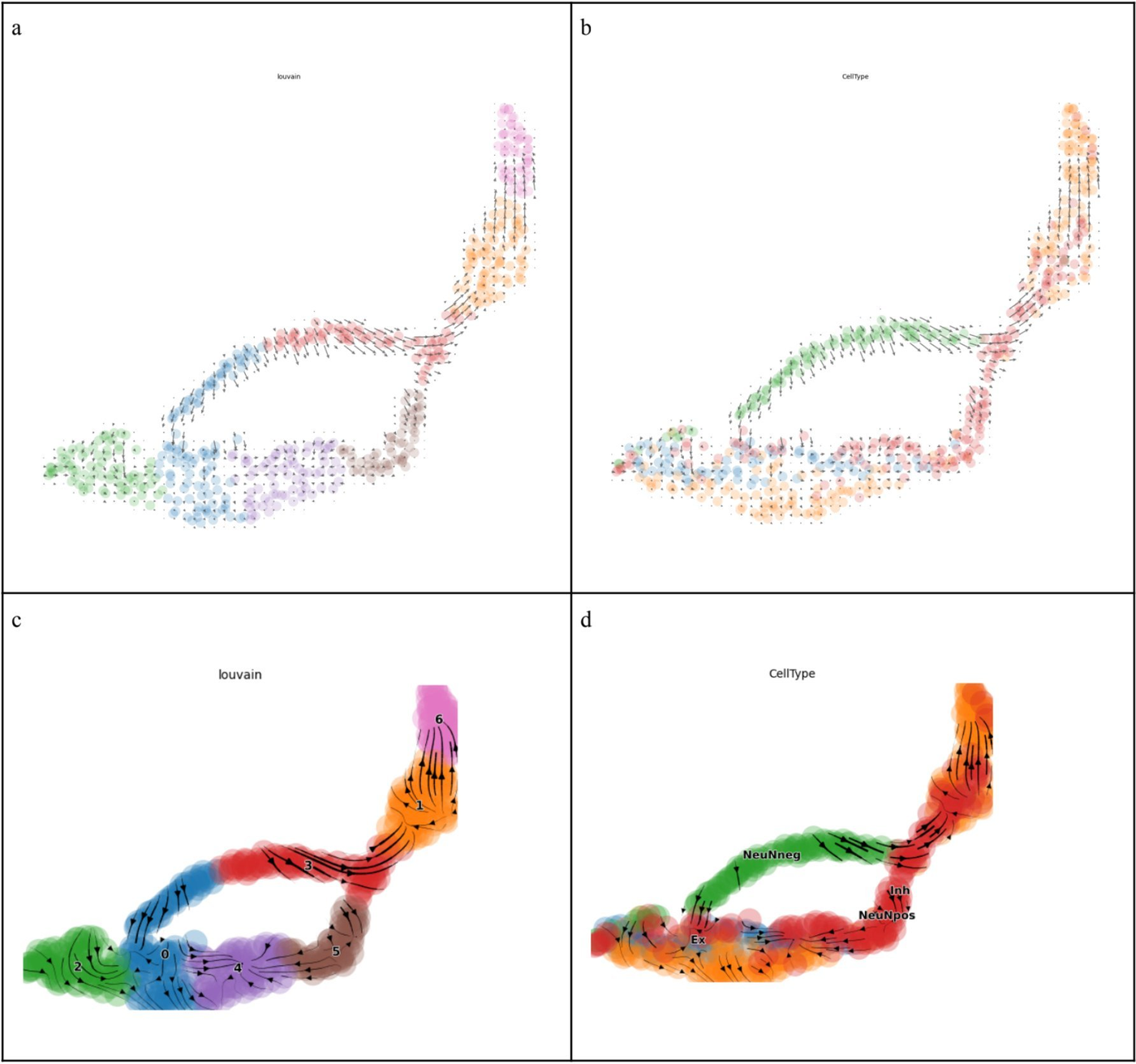
02 / The starting point
What does a
snapshot miss?
That question grew out of computational biology. In 2023, work on HMCVelo explored how DNA methylation and hydroxymethylation snapshots could help infer the direction of cellular change.
It also brought the measurement problem into focus. A model can search for structure in the data it receives. The instrument helps determine which parts of biology enter that data at all.
Read the research ↗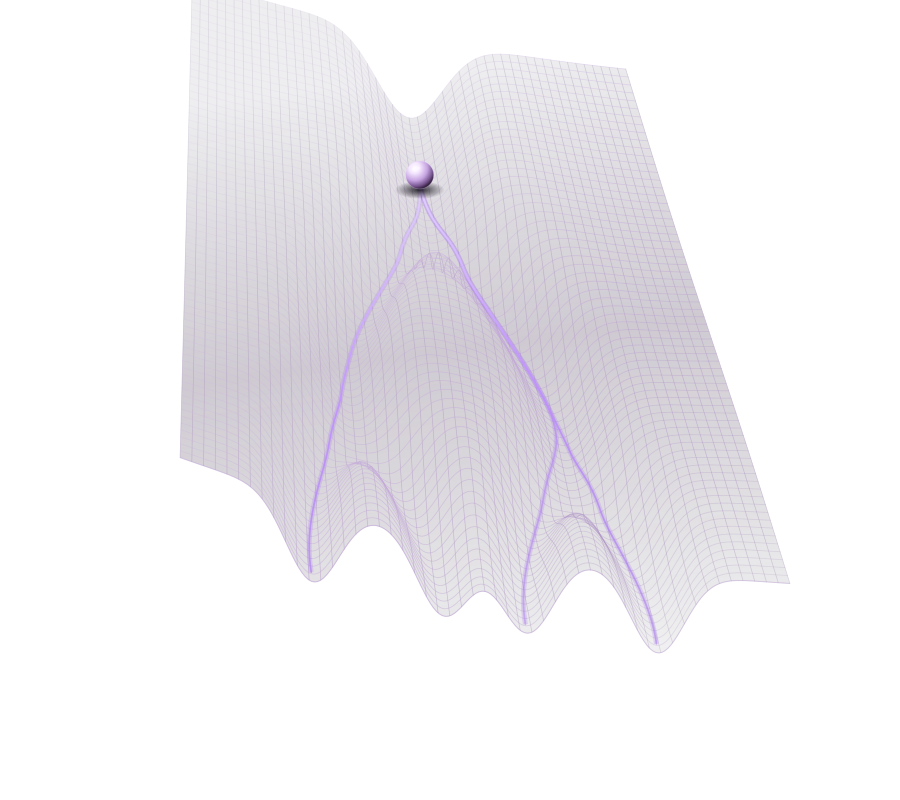
03 / The landscape
Life takes
different paths.
Gene expression and epigenetic regulation help shape the paths a cell can take. Waddington’s landscape gives that idea a memorable form: branching possibilities, with history shaping what happens next.
This is part of what makes predictive biology so demanding. A cell’s current state is one part of the story. How it reached that state, and how it responds next, matter too.
Explore the idea ↗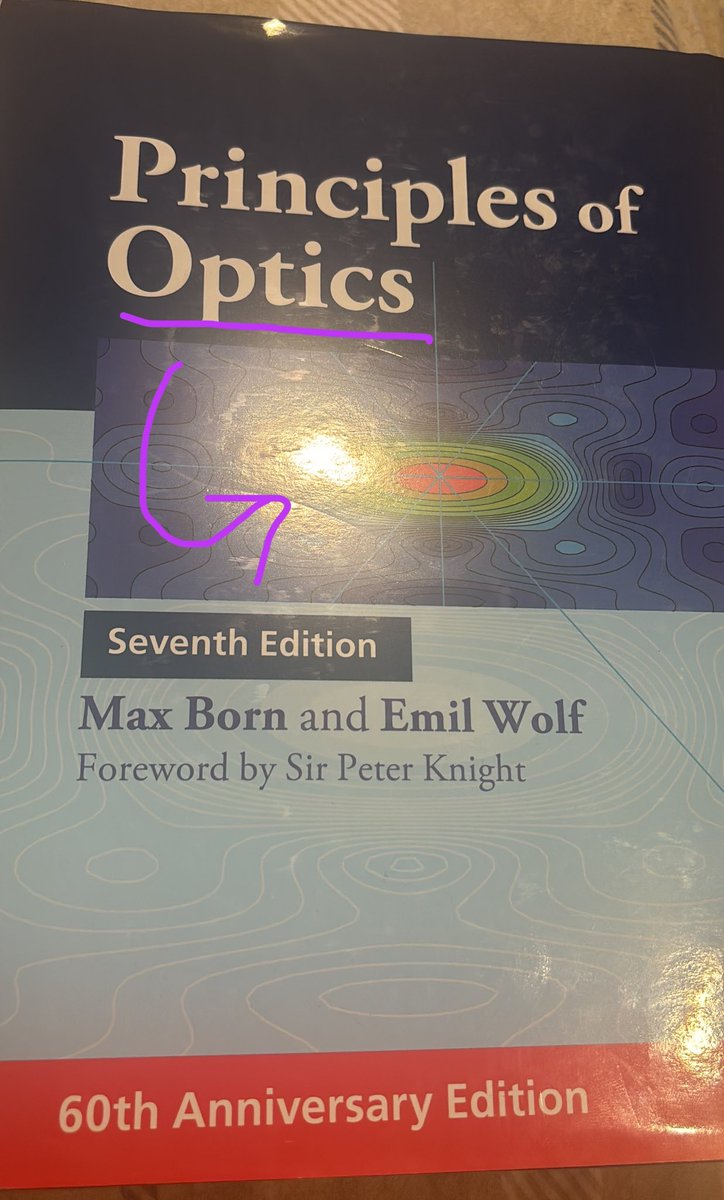
04 / The turning point
Change how
the data is made.
The question moved beyond the model. Work such as Raman2RNA showed another possibility: combine Raman measurements with computation to infer aspects of cellular expression.
The lesson was about the tools themselves. To ask different questions of living systems, we could change how the data was made. The next step was to learn the optics—and begin building.
View the archival post ↗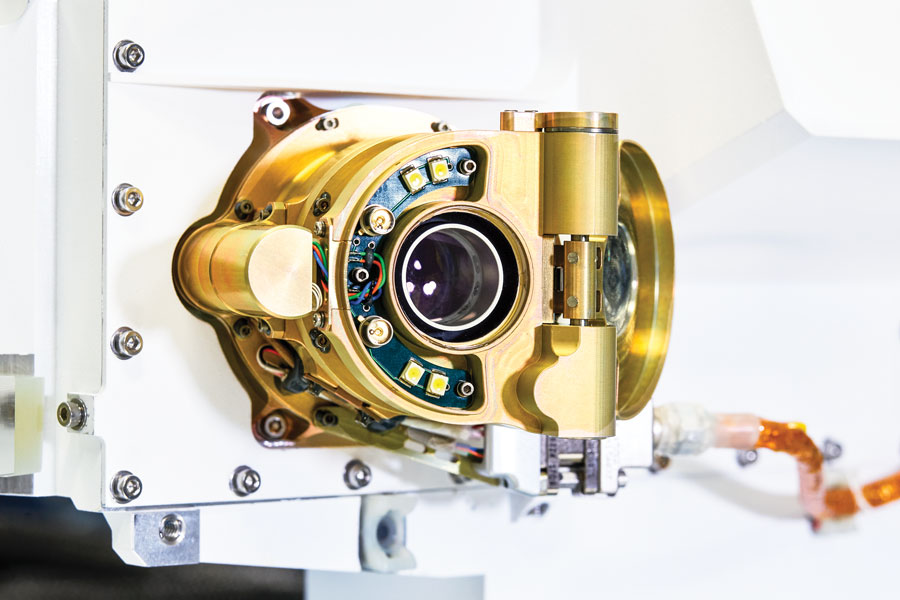
05 / The engineering ambition
Build for the
questions ahead.
In July 2024, the ambition took a wider frame: bring more of the engineering energy of space exploration into biology. NASA had sent Raman spectroscopy to Mars aboard SHERLOC to investigate the chemistry of another world.
Living-cell Raman also has decades of research behind it. Our challenge is to turn that powerful physics into practical, repeatable measurements of living systems.
Meet SHERLOC ↗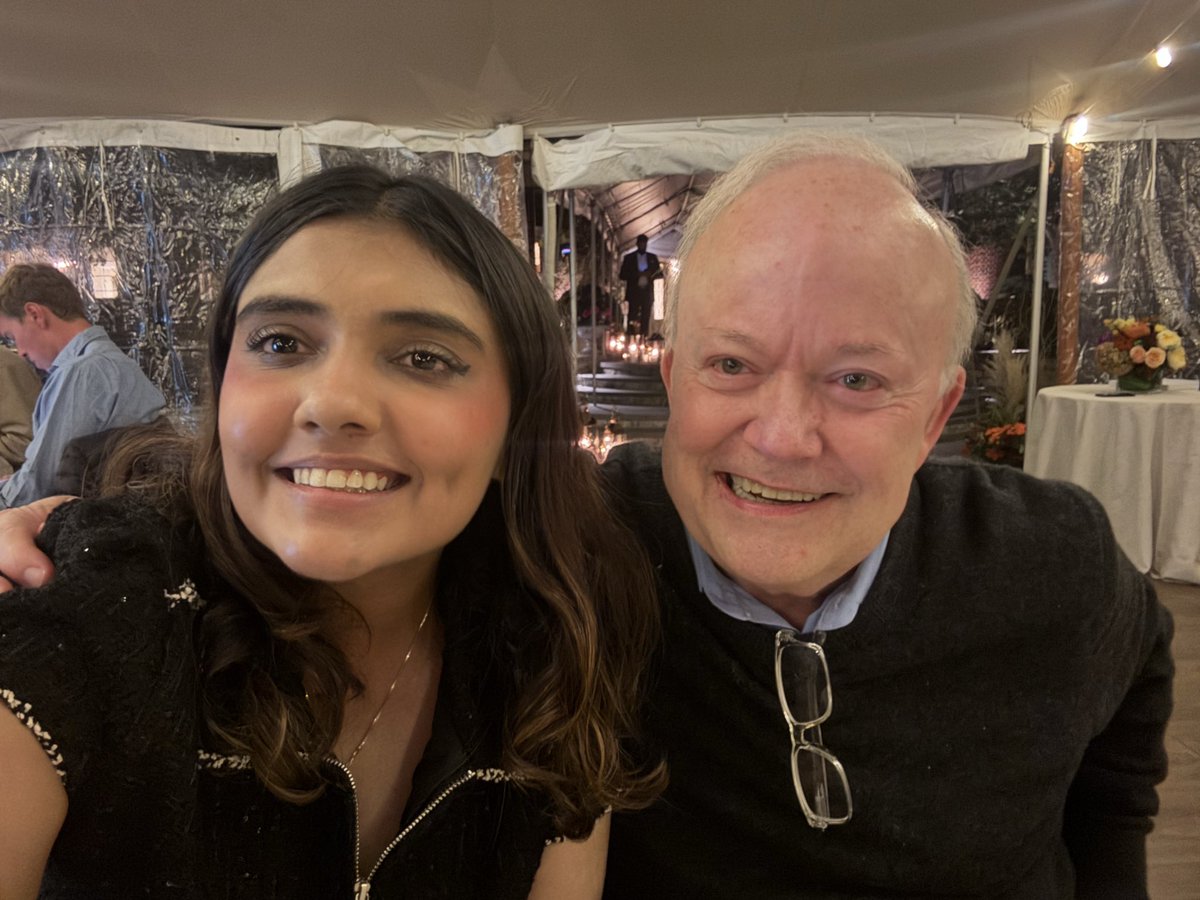
06 / The first backing
Backed to
build.
O’Shaughnessy Ventures and 1517 Fund led our initial pre-seed funding. They backed the conviction that better biological models would need better ways to measure the living world.
In November 2024, we joined Jim O’Shaughnessy on Infinite Loops to discuss how to think about biology. The question behind that conversation is still the one behind our work: what becomes possible when we can observe more of it?
Listen to the Infinite Loops conversation ↗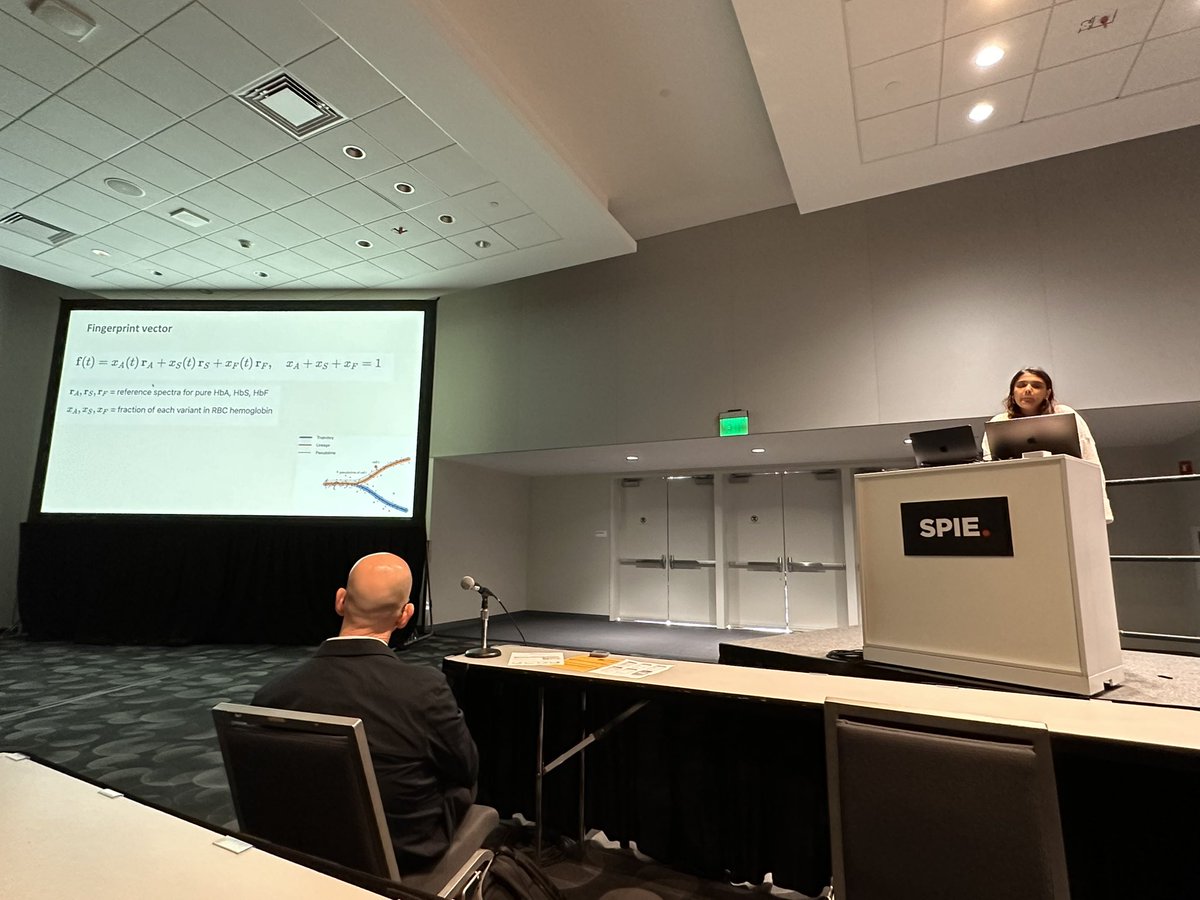
07 / Into the scientific conversation
Take the physics
to the room.
At SPIE Photonics West in January 2025, we presented work connecting Raman spectroscopy with computational analysis of red blood cells. The slide on screen turns spectral measurements into a fingerprint vector: a concrete bridge between optics and biological interpretation.
That bridge is central to how we build. Measurement quality, calibration, and interpretation have to advance together. The instrument and the biological question shape one another.
View the Photonics West post ↗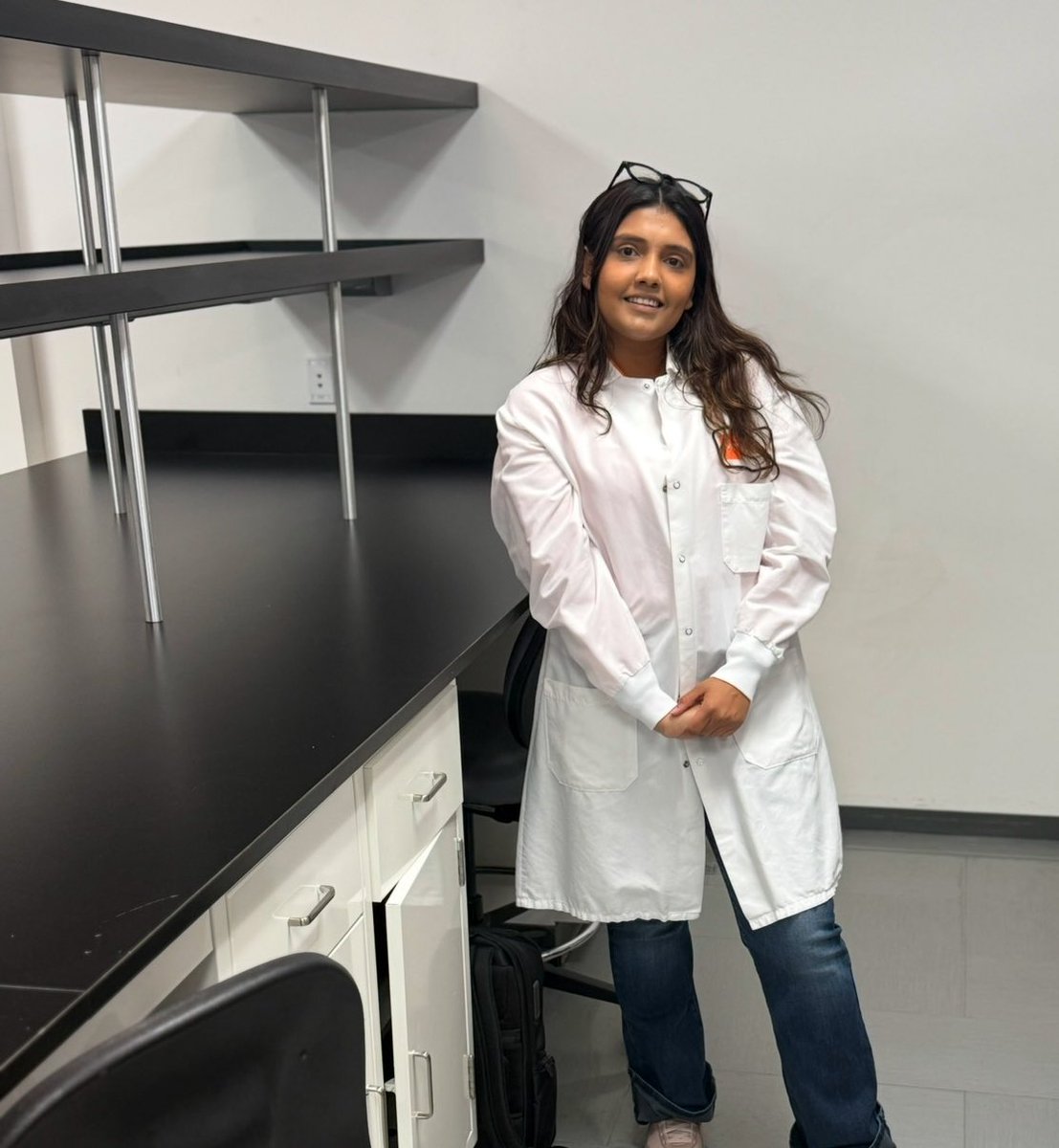
08 / A place to build
An empty bench.
A place to begin.
By the end of 2024, the team had reported its first prototype, PROTO-1. In February 2025 came another concrete step: a lab of our own.
An empty bench meant a place to connect the engineering to the biology—to build an instrument, run an experiment, and learn from what actually happened.
View the lab announcement ↗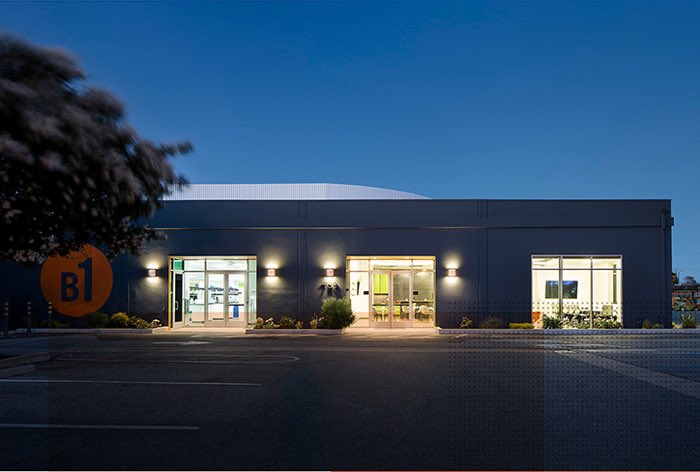
09 / A home for the work
A lab.
A community.
In February 2025, we joined MBC BioLabs in San Carlos. The idea now had a bench, a place to grow cells, and a community of people building their own answers to difficult biological questions.
For a company building both instruments and experiments, that proximity matters. The hardware could meet the daily realities of cell biology, and each experiment could send us back to the design with a sharper question.
Read MBC BioLabs’ welcome ↗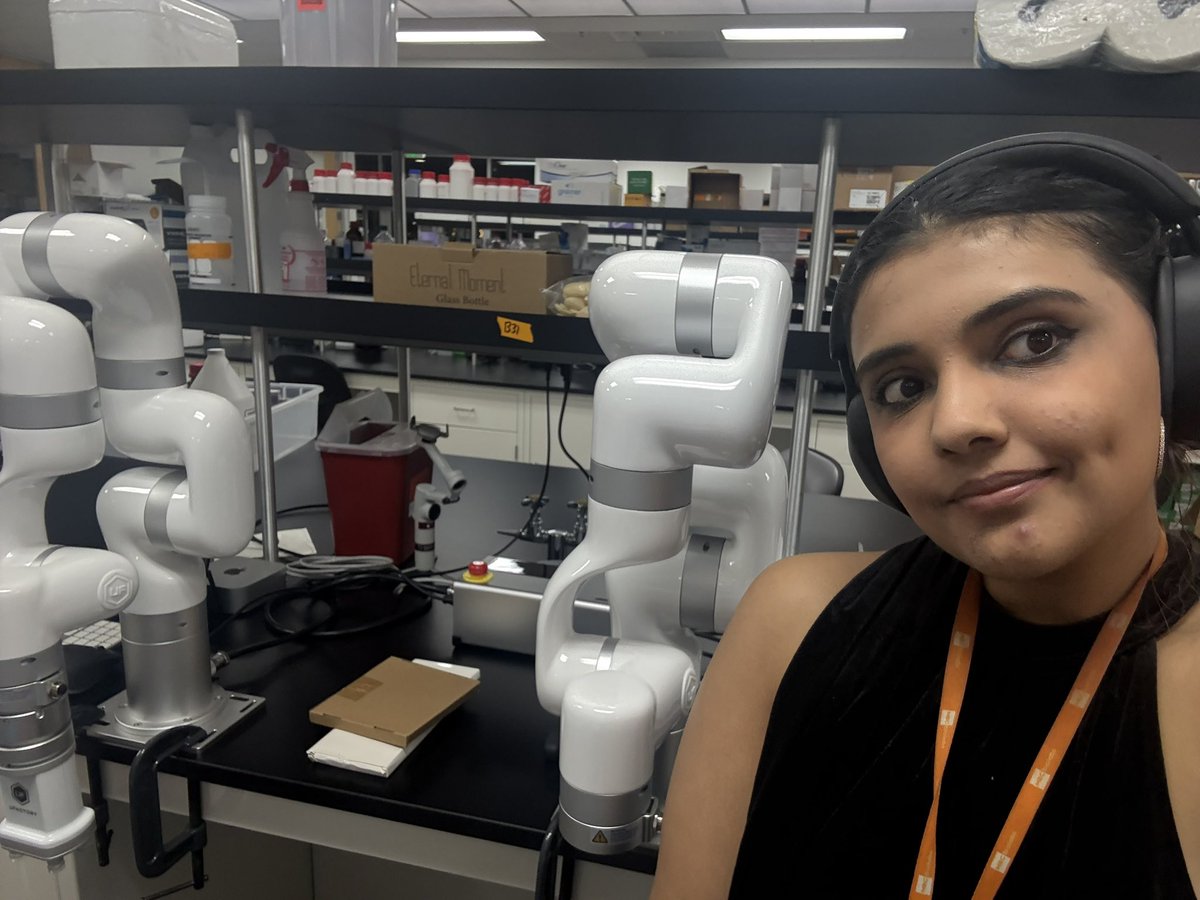
10 / Engineering the experiment
Build beyond
the microscope.
By June 2025, robot arms were on the bench. Following a living system means coordinating more than image acquisition: sample handling, timing, environmental control, and the record of what happened all matter.
Our engineering ambition extends across that whole experiment. Optical measurement, biological preparation, and automation have to work together before a richer dataset can become a repeatable one.
View the original lab post ↗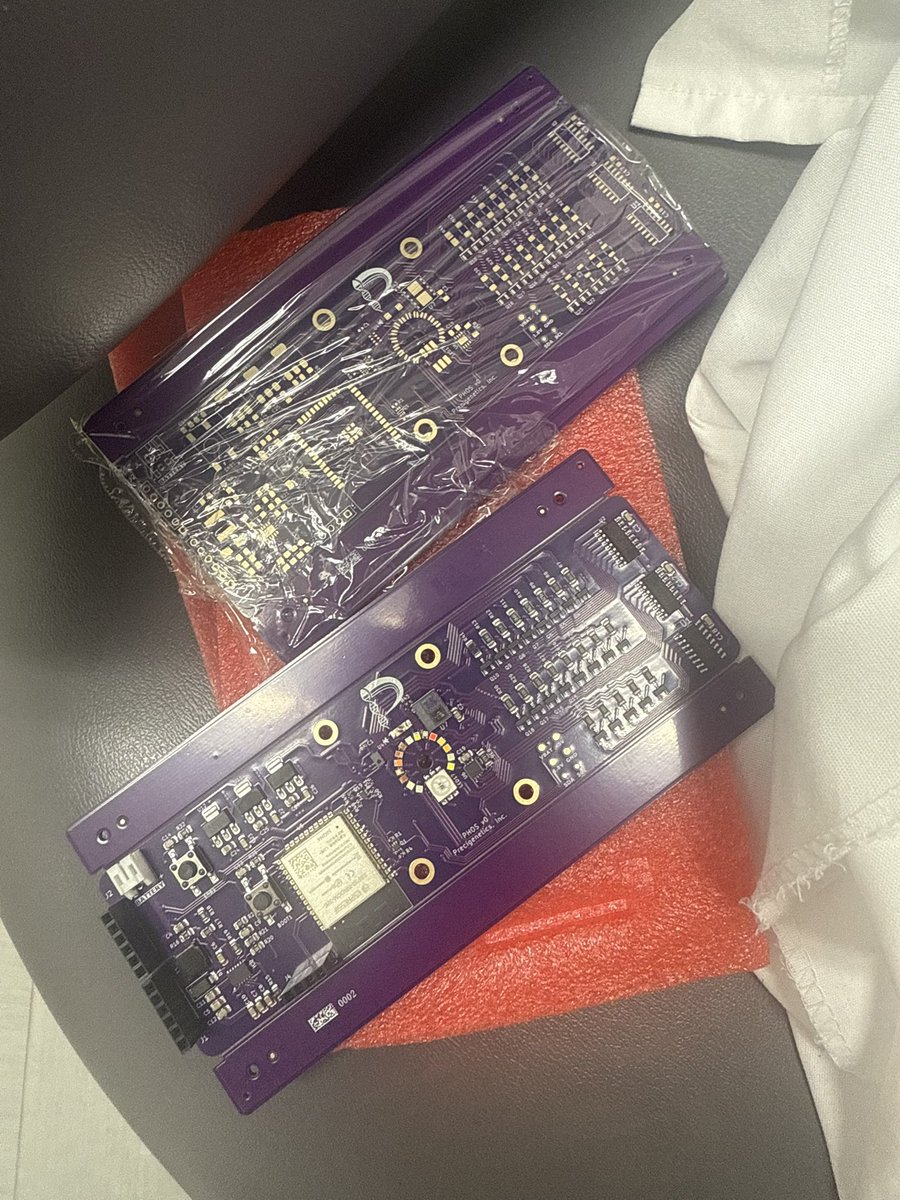
11 / The build
From an idea
to circuit boards.
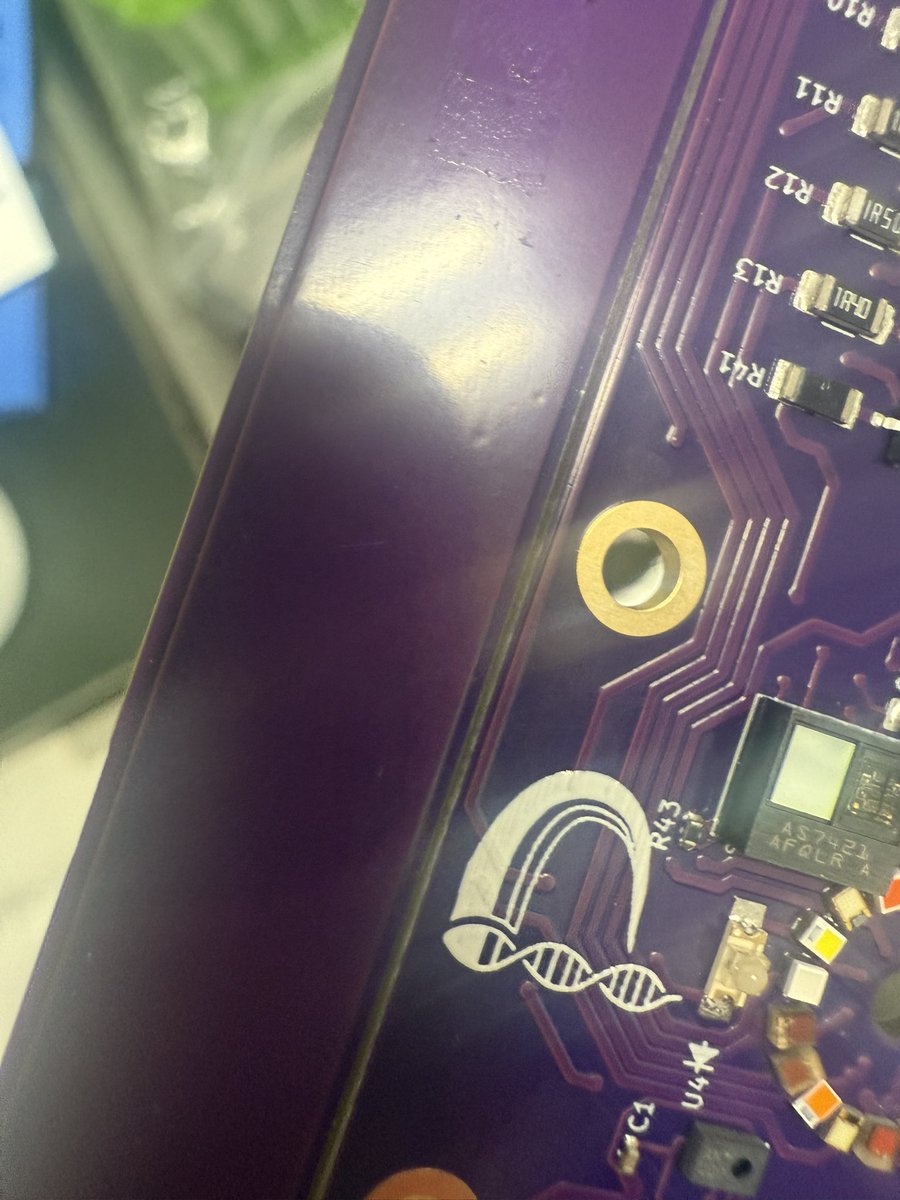
The hardware became tangible. In July 2025, we shared Phos v0: purple circuit boards carrying the Precigenetics mark. The accompanying thought was simple: “Bringing beautiful engineering to biology.”
Progress takes physical form: a board, an optical assembly, a working experiment. Each gives us something concrete to test and improve.
View the hardware post ↗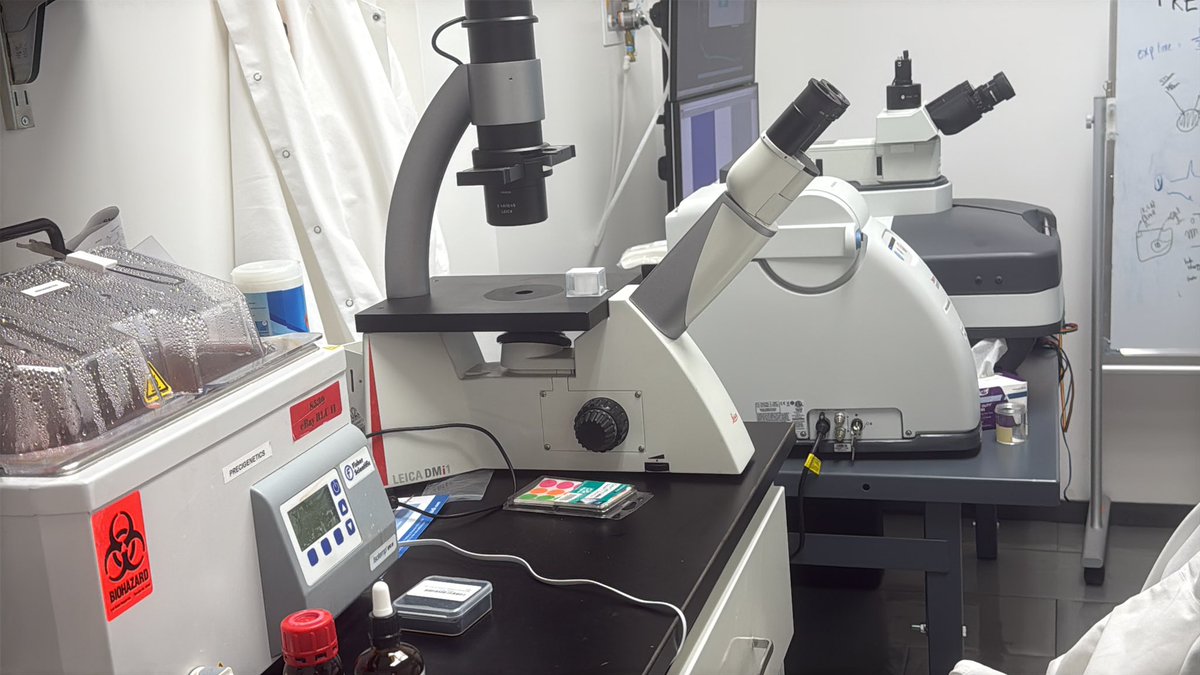
12 / The way we work
An idea becomes
a team.
As the work grew, people joined across photonics engineering, computational biology, and cell biology. Each discipline brought a different way to approach the same question: how do we measure living biology well enough to learn from it?
The work spans optical systems, cell culture, instrument control, and data analysis. Building instruments and running experiments in the same place lets each discipline sharpen the others. Every prototype and every measurement carries that collective effort.
View the lab photograph ↗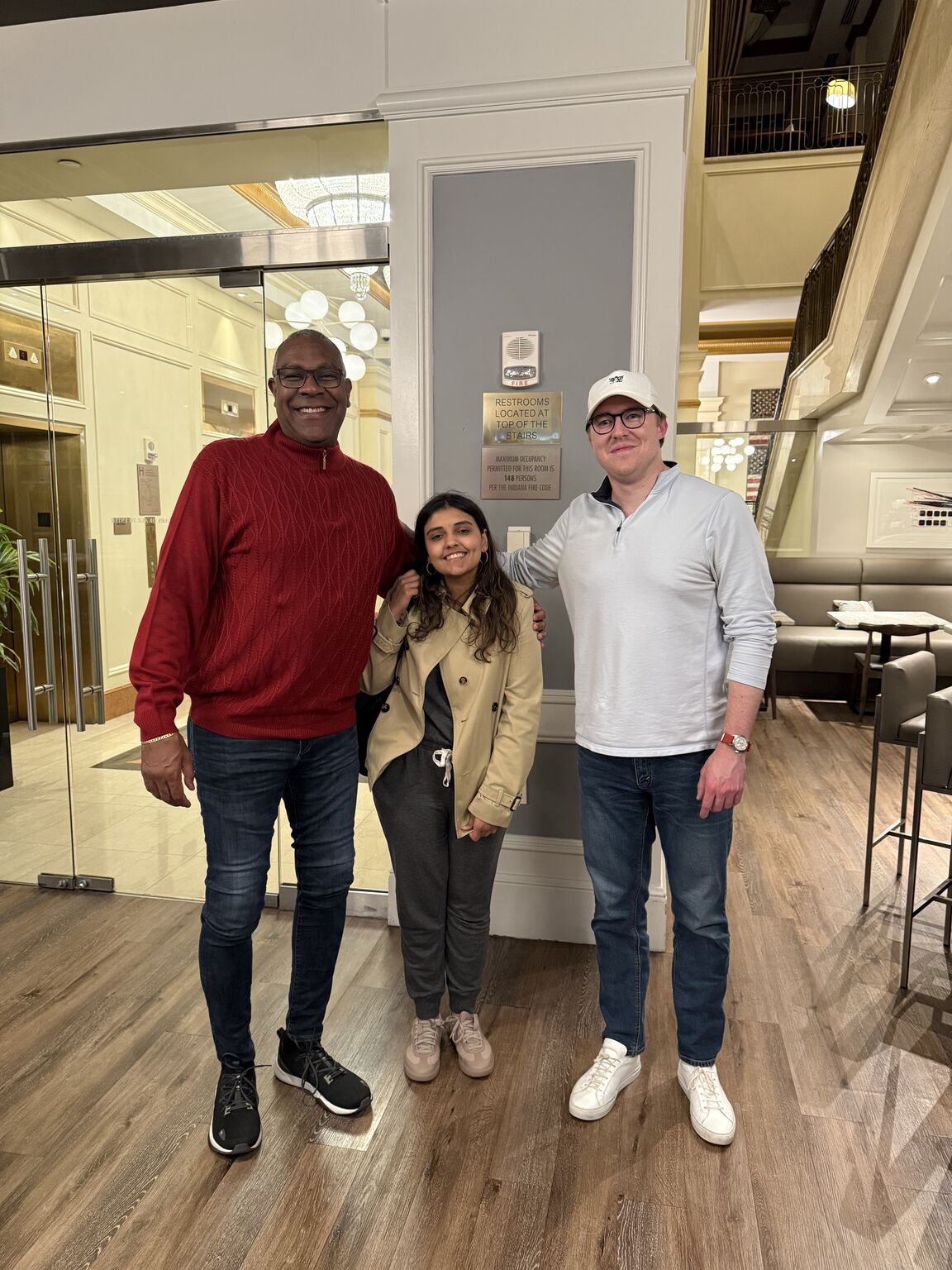 Indianapolis · April 2025
 A gathering with Bob Gourley · November 2024
13 / Experience around the mission
A wider circle
of experience.
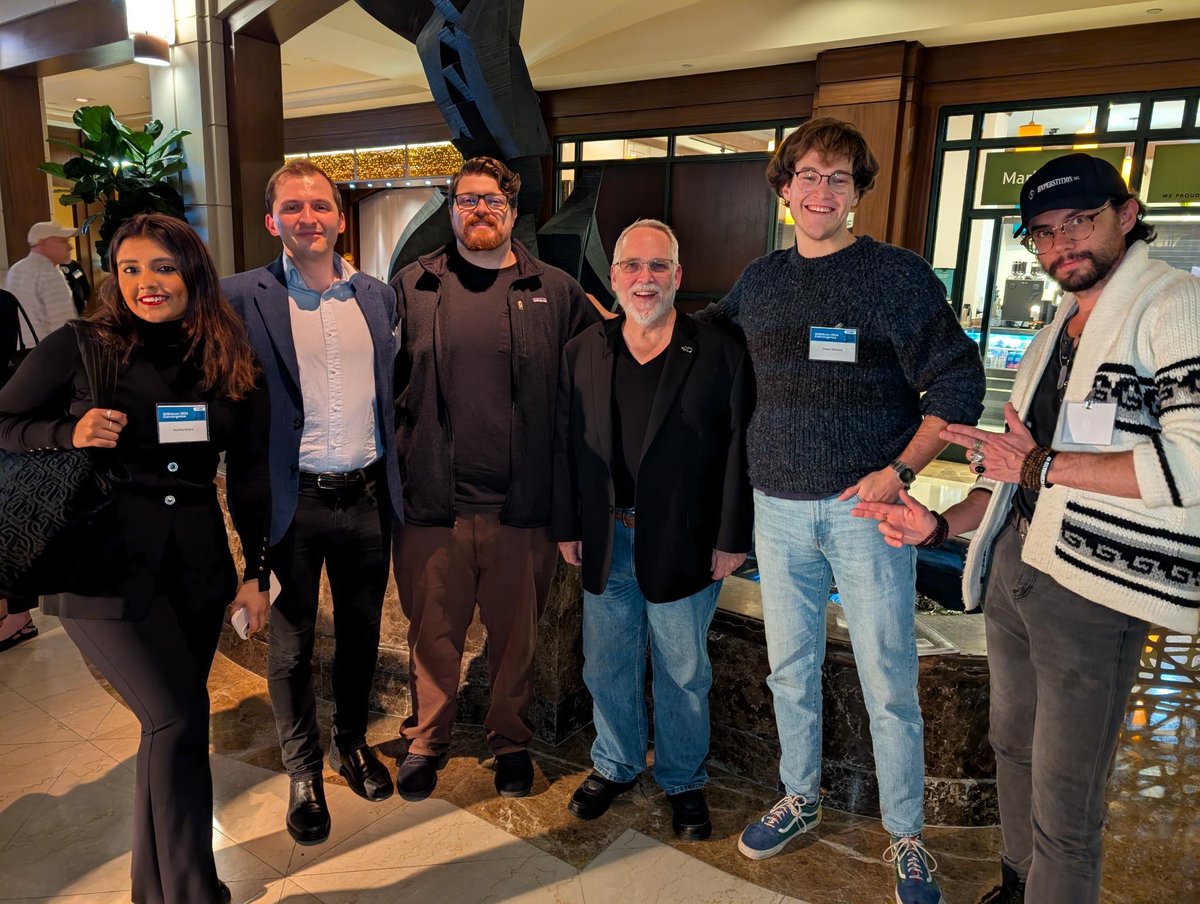
Our advisors bring experience from the industries we want this work to serve. Christopher C. Whitfield brings pharmaceutical leadership experience at Eli Lilly and Gilead in Africa. Bob Gourley, former CTO of the U.S. Defense Intelligence Agency, brings a perspective on technology and biosecurity.
As we expand, that experience sharpens the questions around the science: where can the measurement matter, what evidence will it need, and how do we build an organization capable of delivering it?
Read the advisor announcement ↗14 / Cell Cinema
See for
longer.
Telescopes extended how far we could see. Microscopes extended how small. The question we keep returning to is time: how do we follow living cells as their chemistry changes?
Cell Cinema is our starting point: repeated, label-free measurements of living-cell chemistry, connected to experiments that test what those changes mean. From the original question to the work on the bench, that purpose has stayed with us.
15 / The software around the signal
Make the signal
inspectable.
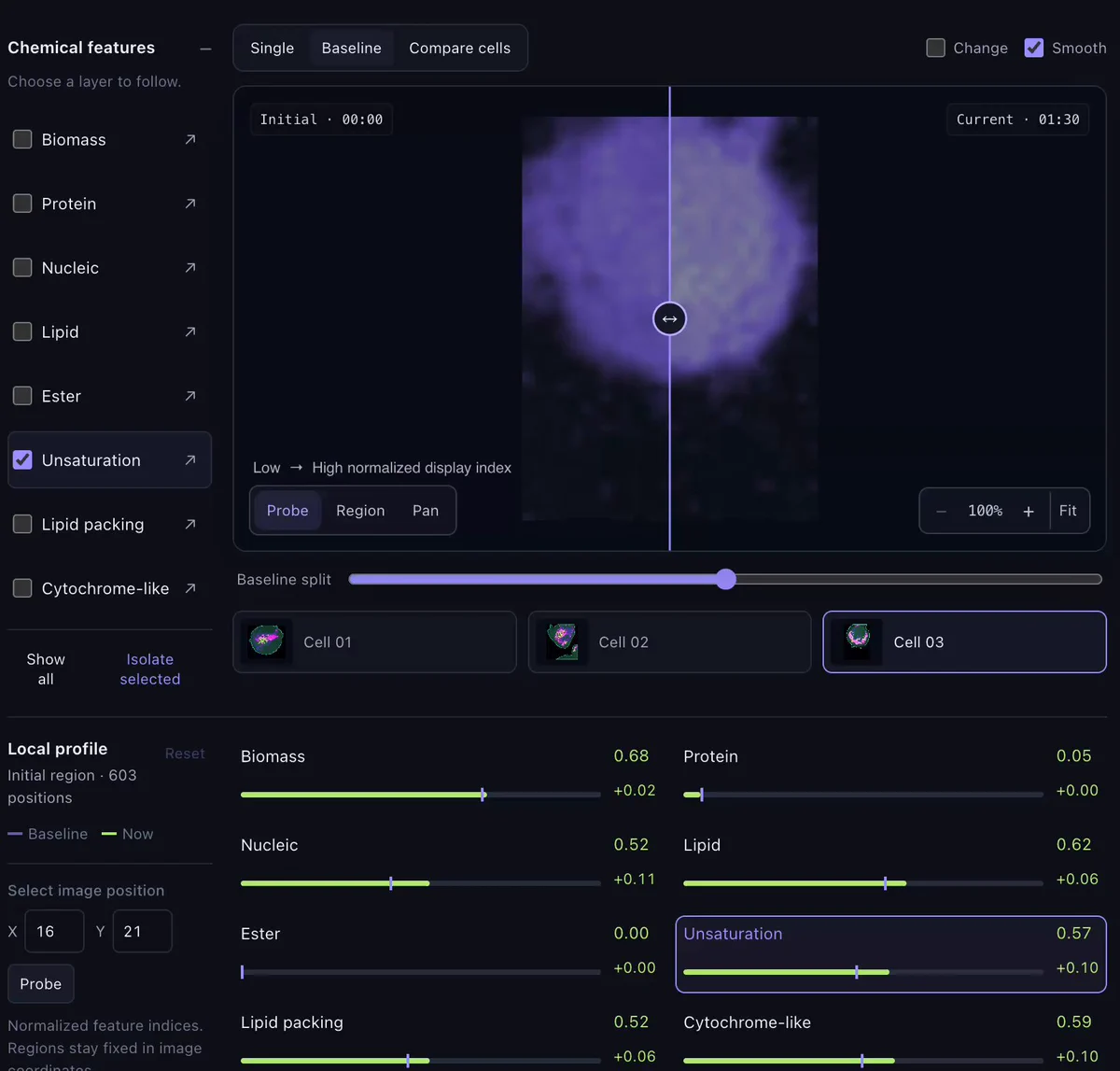
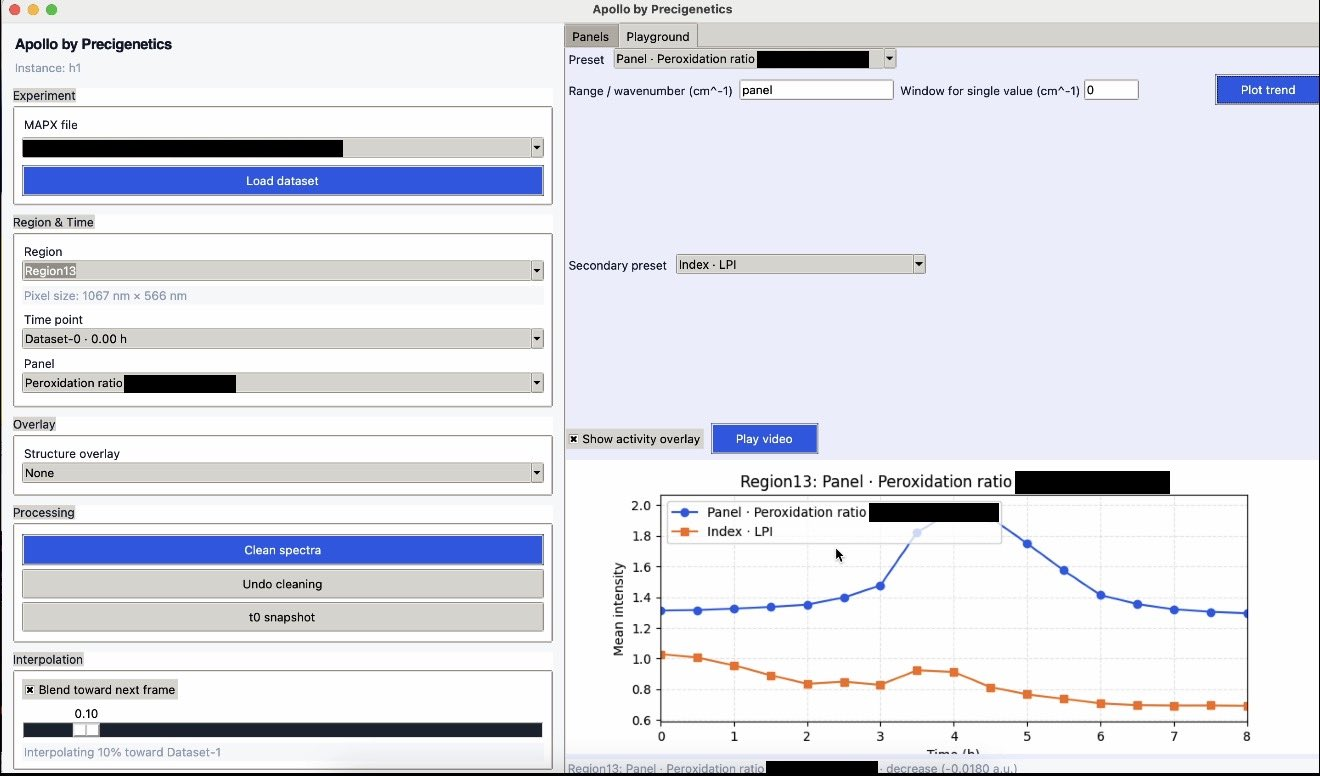
The instrument produces a measurement. Apollo gives us a workspace for asking what changed: select a chemical feature, compare an initial state with a later one, and inspect a region in more detail.
The work is to keep the evidence connected—the spatial map, the selected time, and the trajectory of a chemical feature. Moving between those views helps us decide which changes deserve the next experiment.
Inspect the Apollo workspace ↗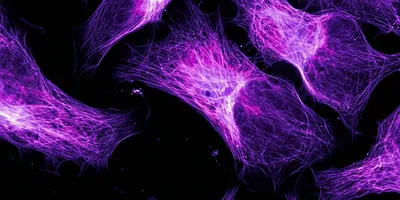
You cannot understand
biology by killing it
16 / The science, in public
A question worth
sharing.
In May 2026, science writer Bree Foster, PhD, told the Cell Cinema story in Drug Discovery News. The article connected our original question with the work taking shape in the lab: what can we learn by following living cells through change?
It also introduced the next challenge. Richer measurements become useful when they help answer a concrete biological question—starting with how cells respond to drugs, and when that response becomes harmful.
Read Bree Foster’s article ↗
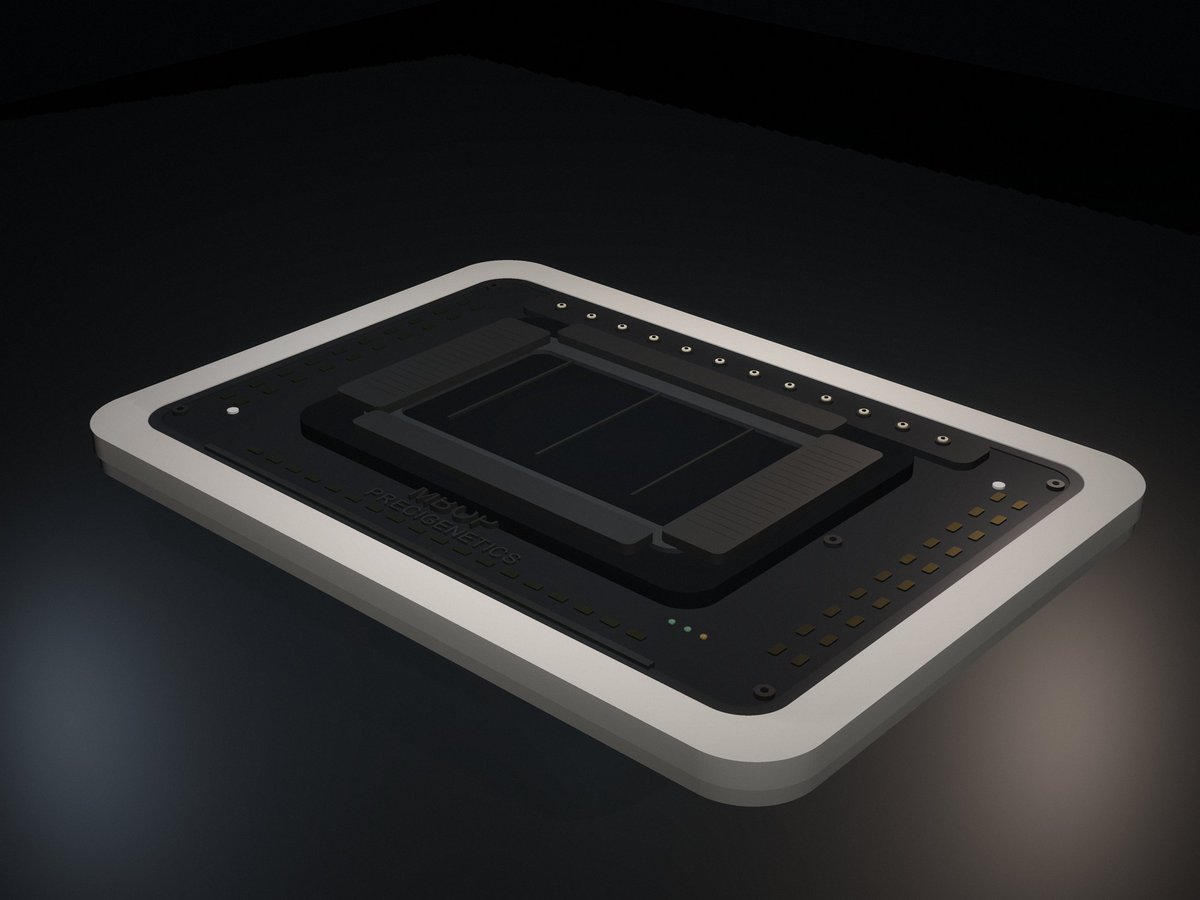
The environment is part of the experiment.
17 / The experimental foundation
Keep the experiment
alive.
Following a living cell takes more than a microscope. It takes a controlled environment: nourishment, temperature, flow, and carefully timed perturbations. MBOP brings that context into modular hardware designed to connect cell culture with repeated optical measurement.
Our hardware and biology teams connect the engineering to the living system. The goal is a repeatable experiment that can keep producing useful response data over time.
View the public MBOP design ↗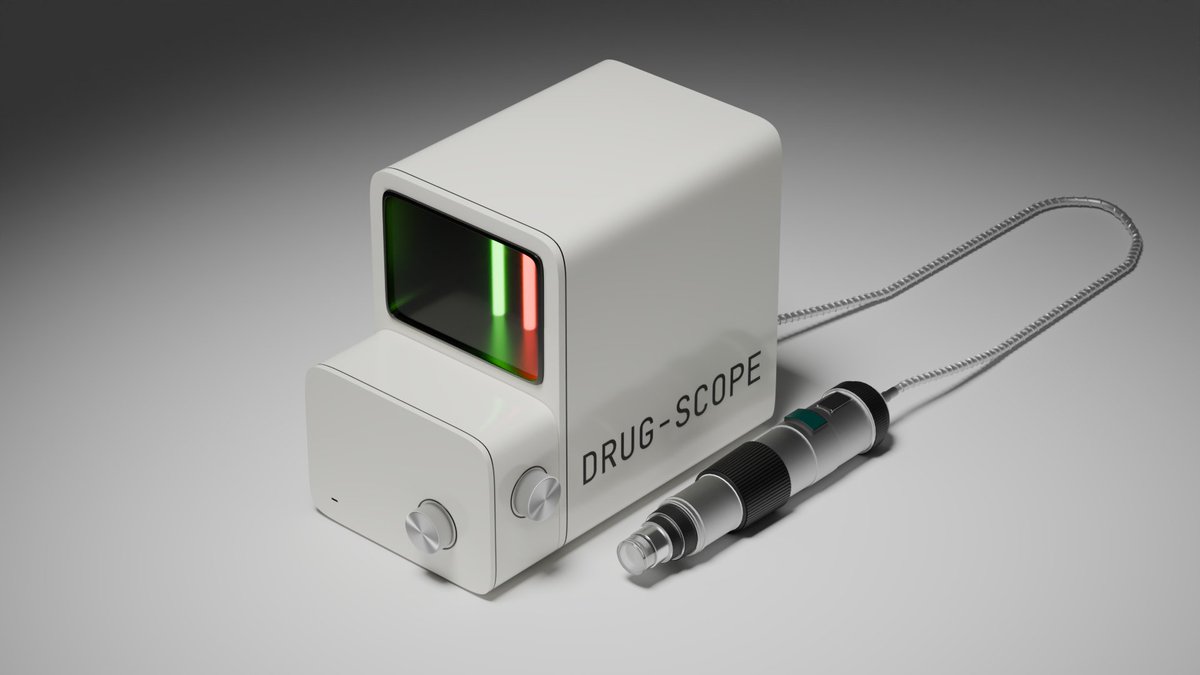
18 / From optics to an instrument
Make the optics
an instrument.
A powerful optical method is only the beginning. It also has to become an instrument that can fit into the setting where a measurement is needed. DRUG-SCOPE is one expression of that engineering direction.
In July 2026, we shared a design preview centered on bringing a larger optical system into a compact instrument. The work connects optical design, miniaturization, and system integration—the physical decisions that determine where a measurement can go.
View the public design preview ↗
coming?
Initial focus: liver-cell toxicity.
19 / A first biological question
What changes
before injury?
Toxicity is one of the first places we want this richer record to matter. Cleopatra is our toxicity-modeling program, beginning with liver-cell responses to drugs.
The question is practical: can early chemical changes help us anticipate later injury? We are working toward that answer by connecting Cell Cinema trajectories with controlled experiments and independent measures of cell health.
Explore the research direction ↗
system
A model that can ask the cell another question.
20 / The longer view
Let the next question
come from the cell.
The longer-term ambition is an experiment that learns as it runs. A model observes the cell’s chemical response, helps choose the next perturbation, and receives a new measurement from the living system.
Our patent-pending Cell-in-the-Loop approach connects sensing and experimental control, so biological AI can learn through repeated interaction with cells. MBOP provides the experimental setting; Cell Cinema provides the changing record.
Read the larger vision ↗ Biosensing & biosecurity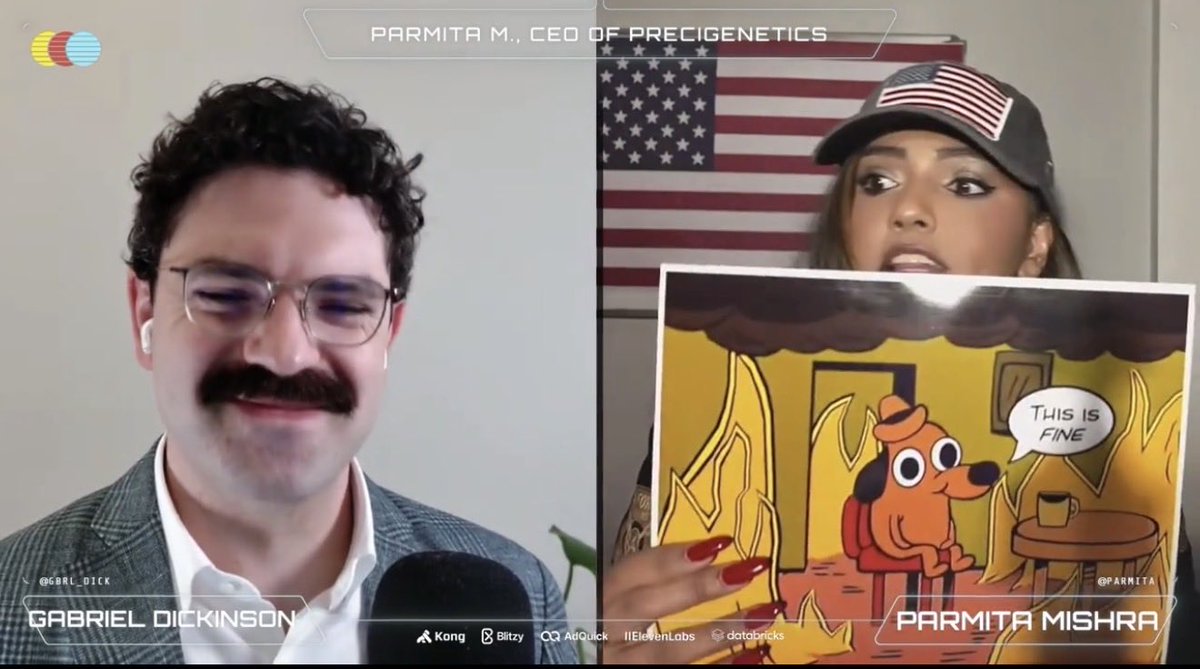
21 / TYCHO
Measurements that
outlive the model.
We introduced TYCHO on MTS Live in July 2026: a broader biosensing and biosecurity effort, extending our toxicity-data work toward recognizing and understanding biological harm.
The name honors Tycho Brahe’s legacy: observations that helped later scientists build better models. That is the foundation we want to build for biology—measurements that future models can learn from, test against, and improve upon.
Watch the MTS Live interview ↗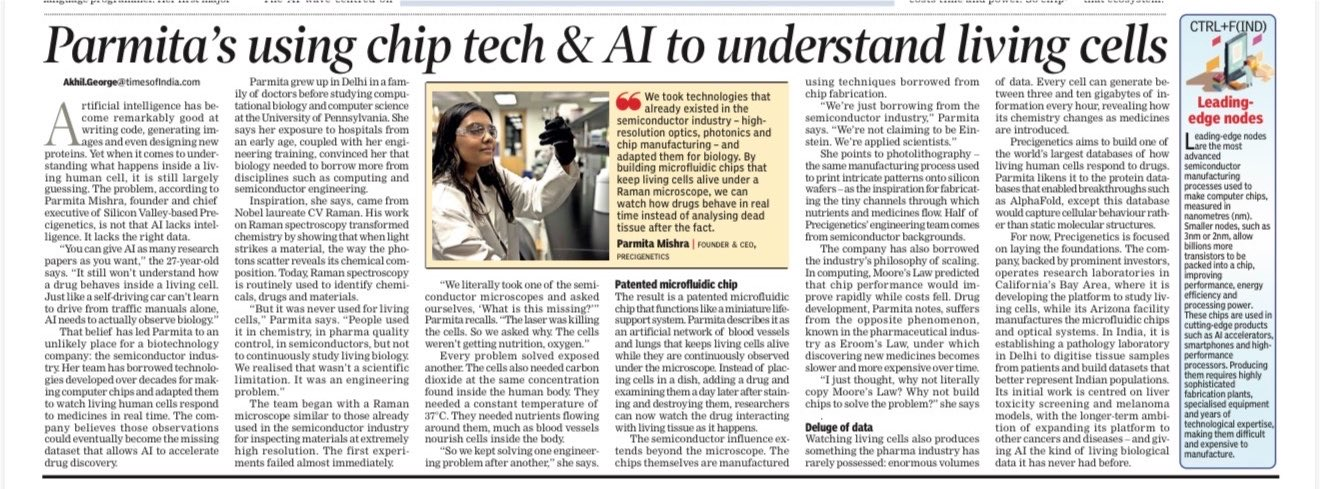
22 / Beyond the lab
A story that
reached home.
In August 2026, our work reached the back cover of The Times of India in a half-page feature. Akhil George’s reporting followed the connection between chip technology, optics, AI, and our ambition to understand living cells.
The story appeared in what its publisher describes as the world’s largest English broadsheet daily. For us, it was also personal: work that began as a question at a lab bench had become something our families could hold in their hands.
Read the Times of India feature ↗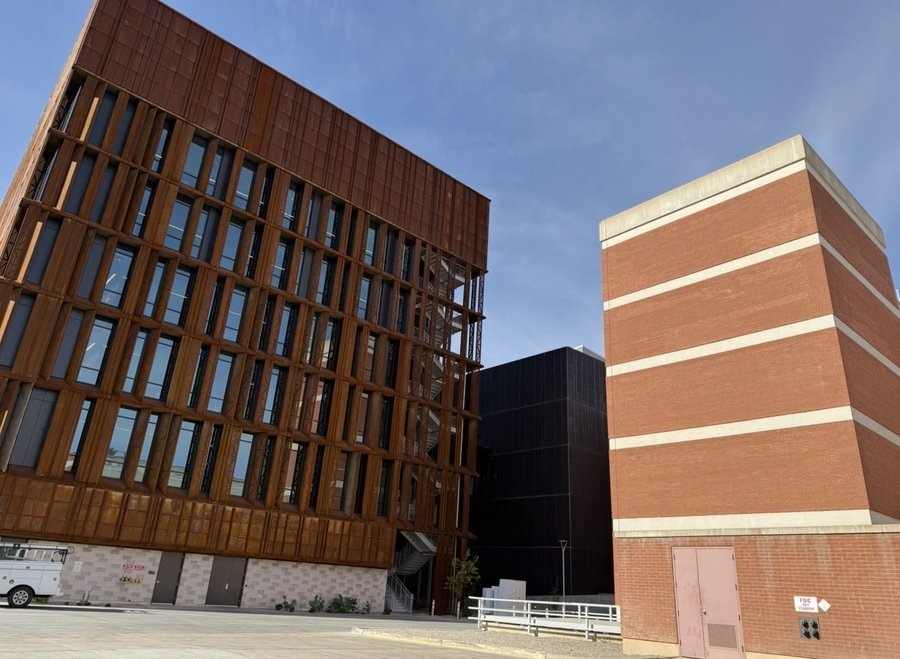
23 / Where fabrication began
Fabrication begins
in Arizona.
Our fabrication efforts began at the University of Arizona, a center for advanced optics and photonics. Its Wyant College of Optical Sciences brings together microfabrication, precision optical engineering, and instruments built for space.
For us, this was where the hardware story became more physical: translating designs into fabrication work, then bringing what we learned back to the instrument and the biological experiment.
Explore Arizona’s fabrication facilities ↗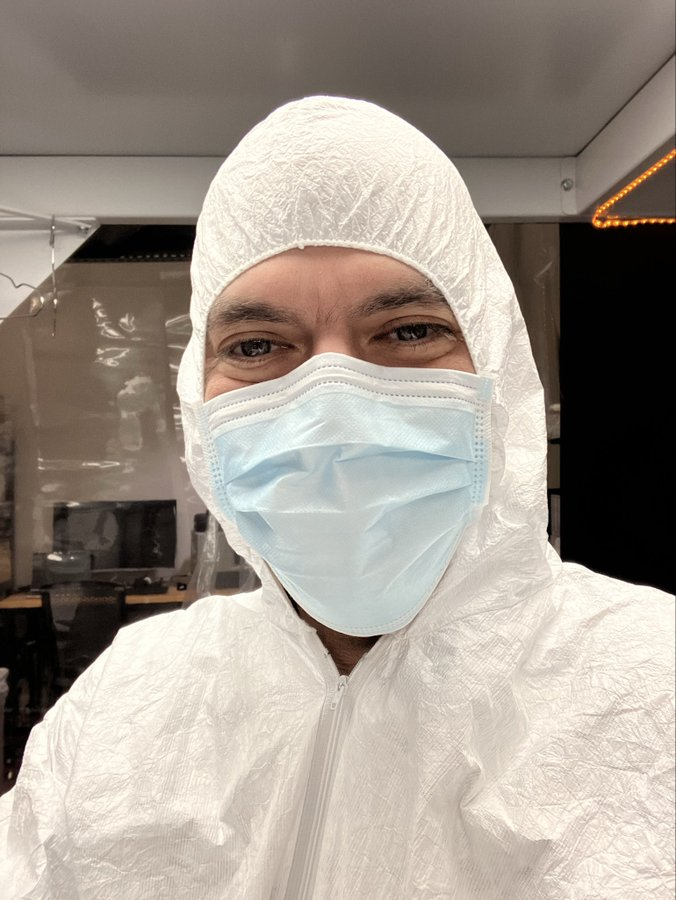
24 / The first Arizona cleanroom
A small cleanroom.
A concrete beginning.
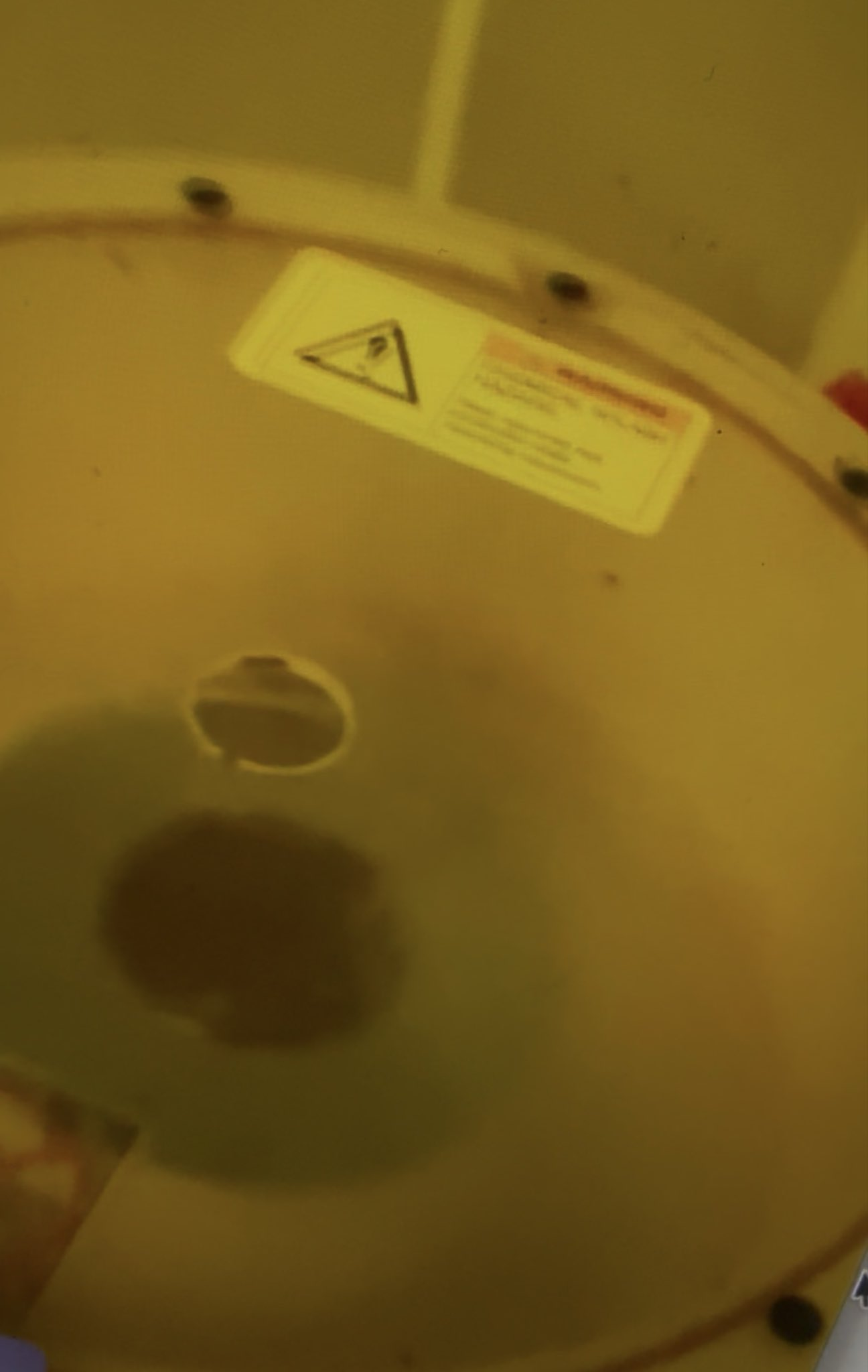
Before the biofactory announcement, there was a smaller beginning: our first mini cleanroom in Arizona. A place to begin the practical work of fabrication and connect the design with the conditions needed to build it.
A cleanroom makes environmental control part of the build. For optical and microfabricated hardware, small variations can become measurement problems. The next step was to build the capacity to make and test more of the system ourselves.
View the cleanroom photograph ↗biofactory.TYCHO · August 2026
 Read the Atoms Not Bits coverage ↗
25 / A place to build what comes next
From the bench
to a biofactory.
Our Arizona chapter grew from fabrication efforts at the University of Arizona and the first small cleanroom toward a larger buildout. In August 2026, we announced our Arizona facility—the biofactory we call TYCHO. Atoms Not Bits covered the expansion.
The next ambition is to bring fabrication, measurement, and experiments closer together: a place to build better tools, study drug responses, and feed what we learn back into the next generation of instruments.
Read the opening announcement ↗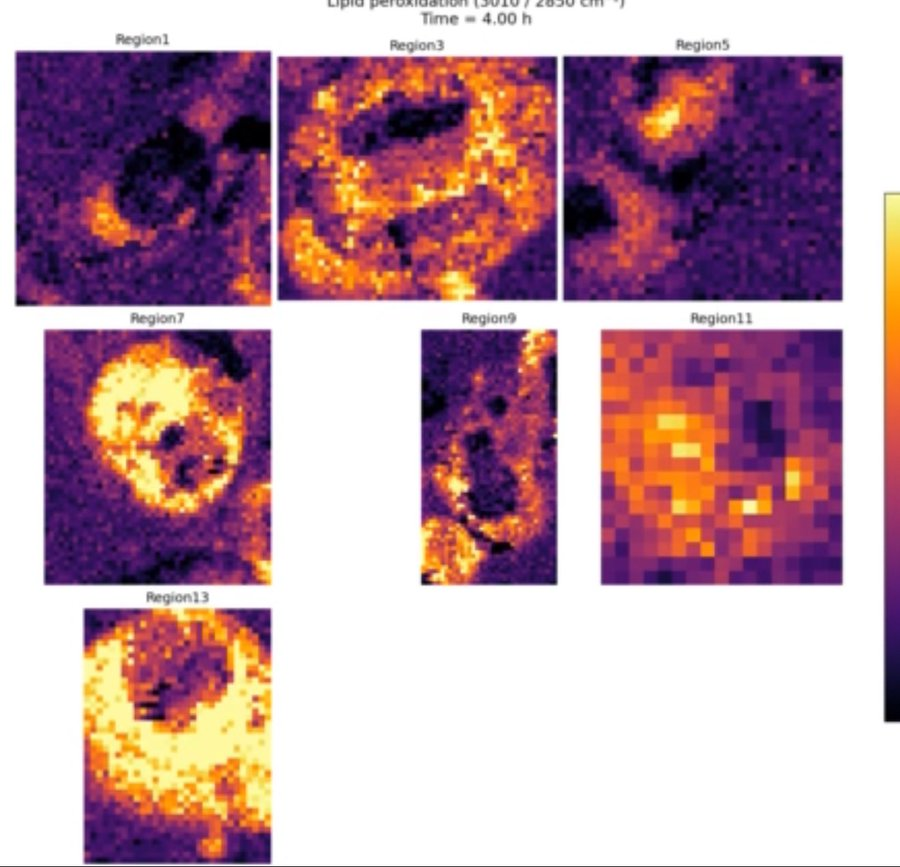
26 / What we’re building now
An atlas of
living drug response.
Right now, we’re building an atlas of how living cells respond to drugs, starting with liver toxicity and cancer. We’re building this record across treatments, doses, and time to give biological AI a richer foundation to learn from.
Our ambition is to change how drugs are understood and developed: recognize harm earlier, understand why responses diverge, and make the next experiment more informative. Every response we record should make the next decision better grounded.
Read the atlas announcement ↗