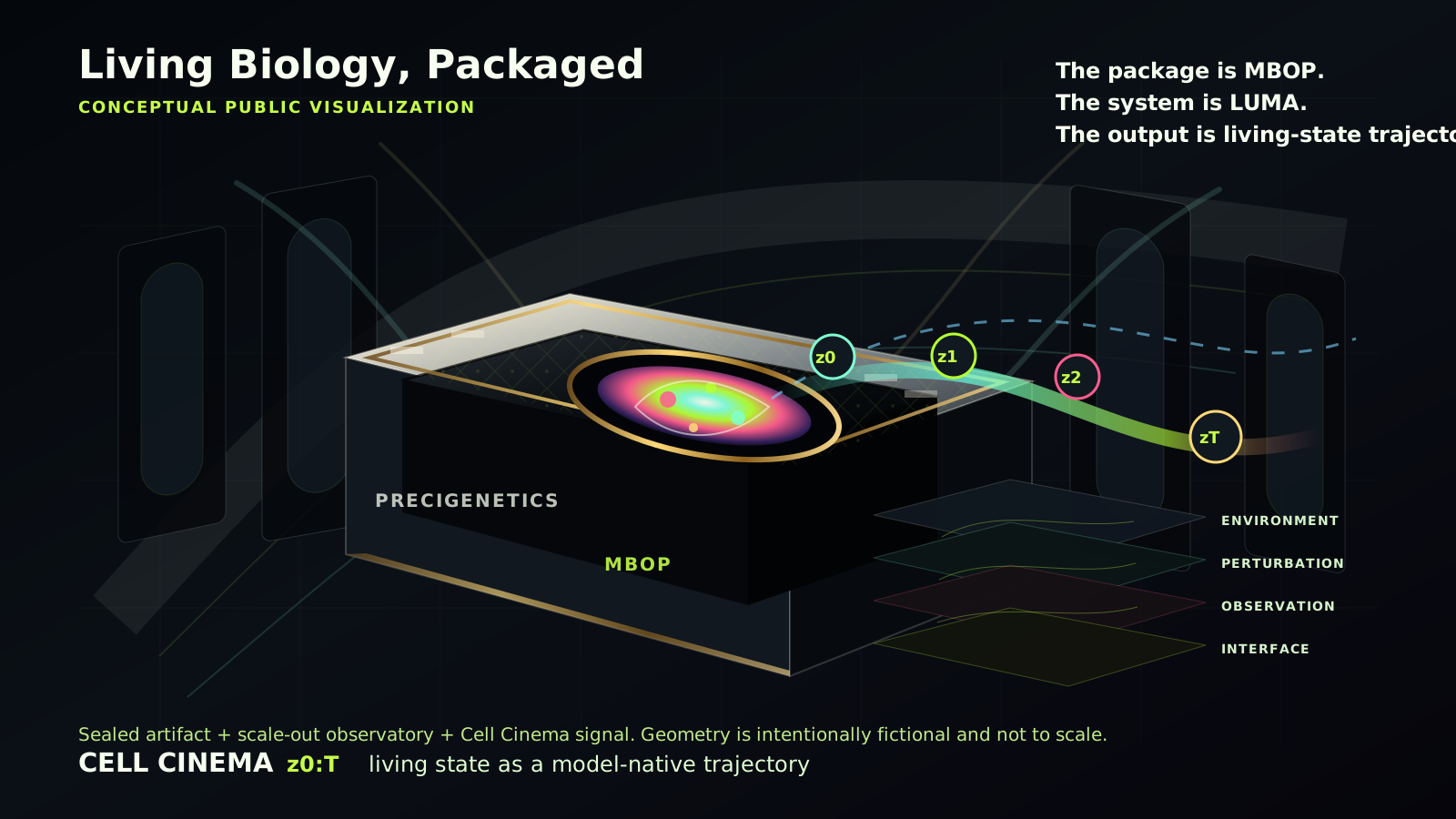
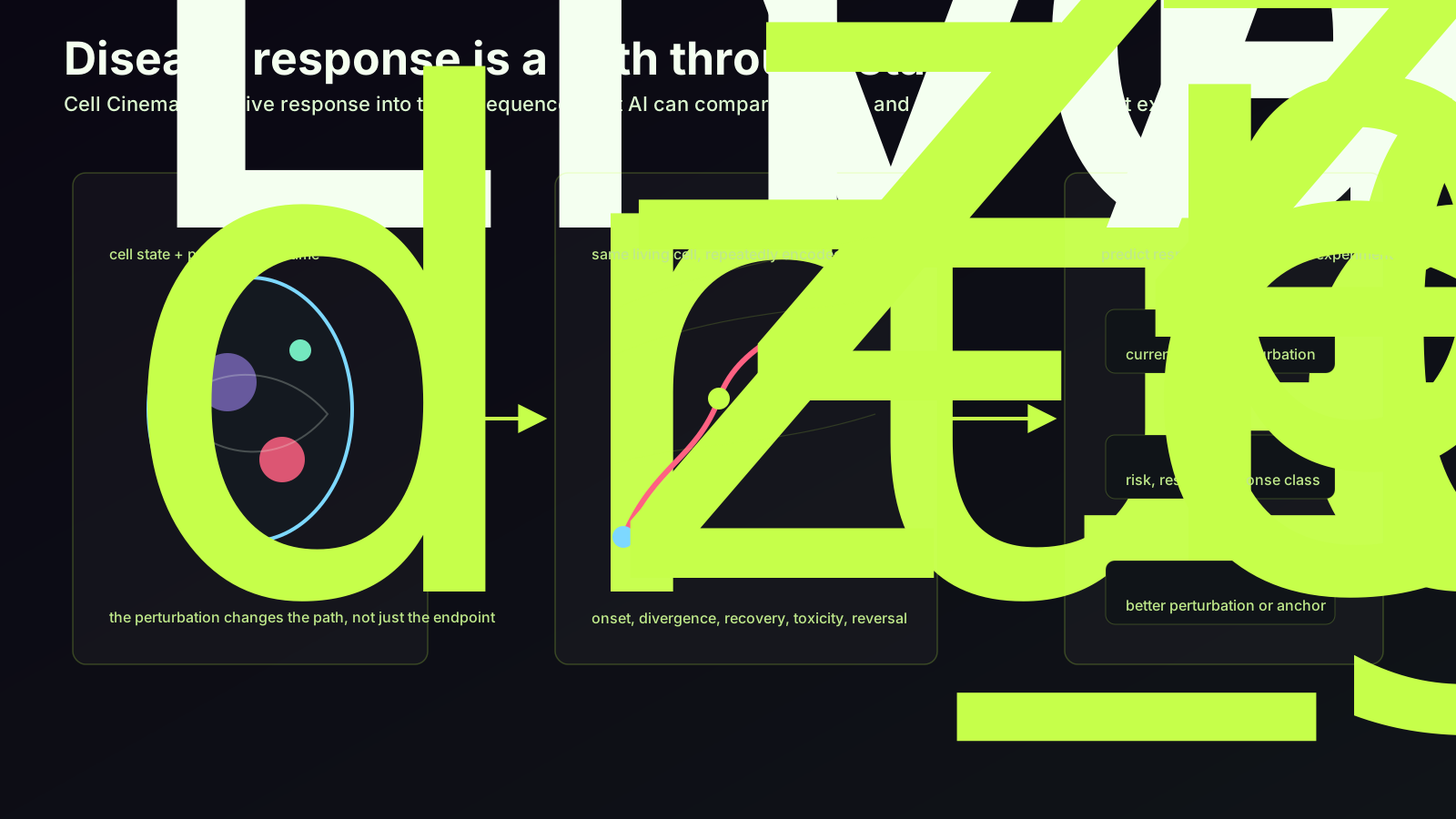
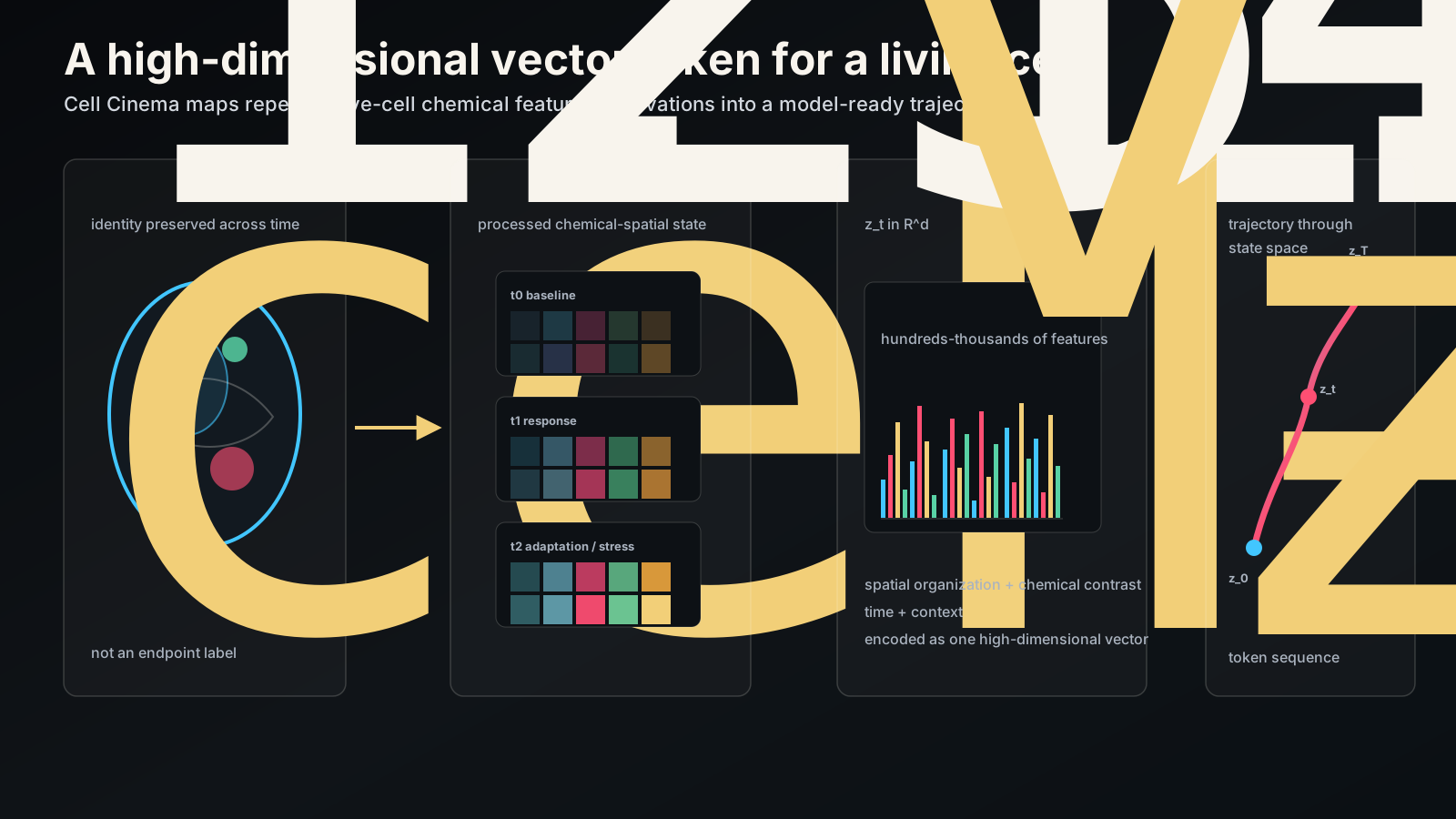
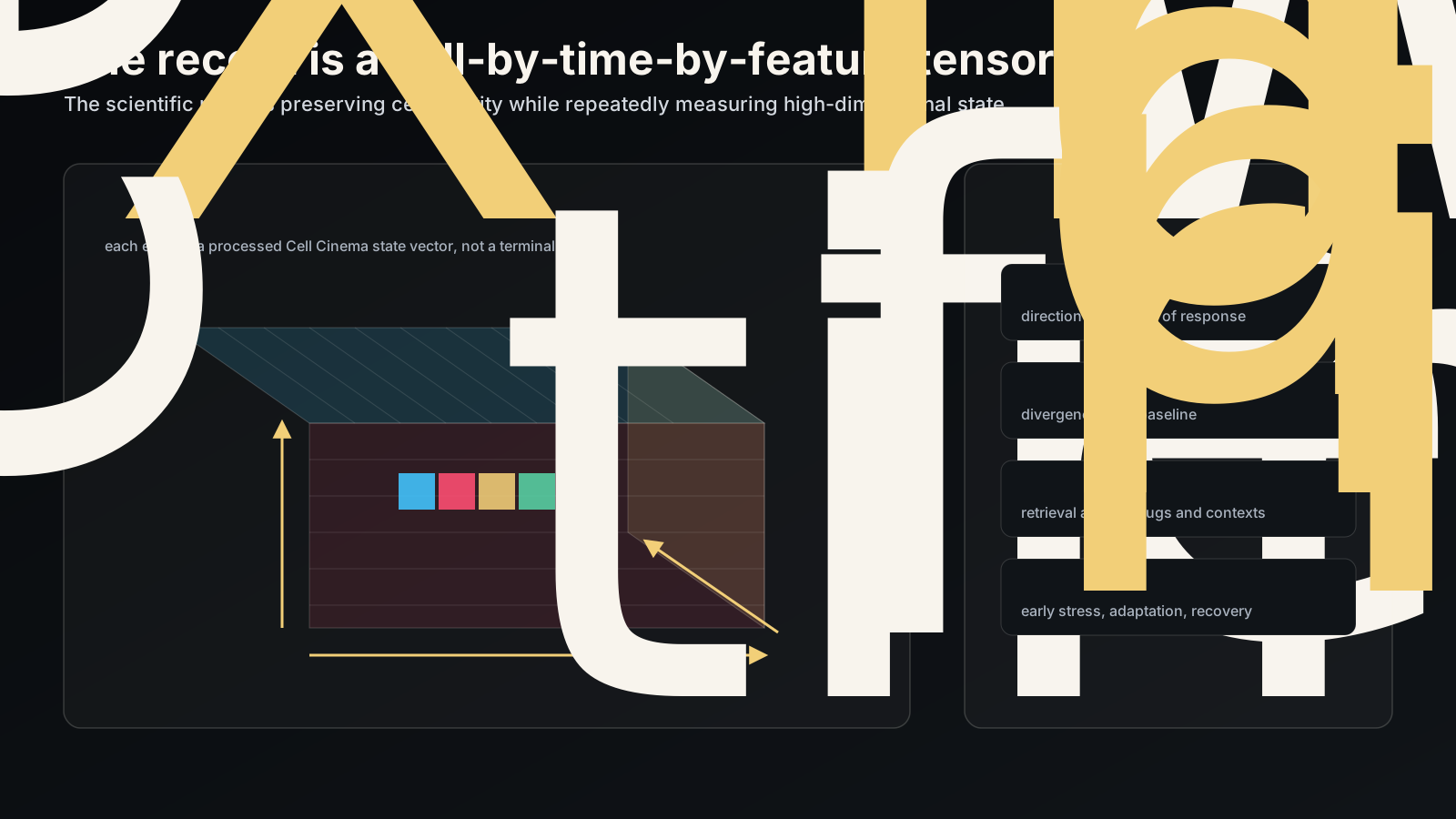
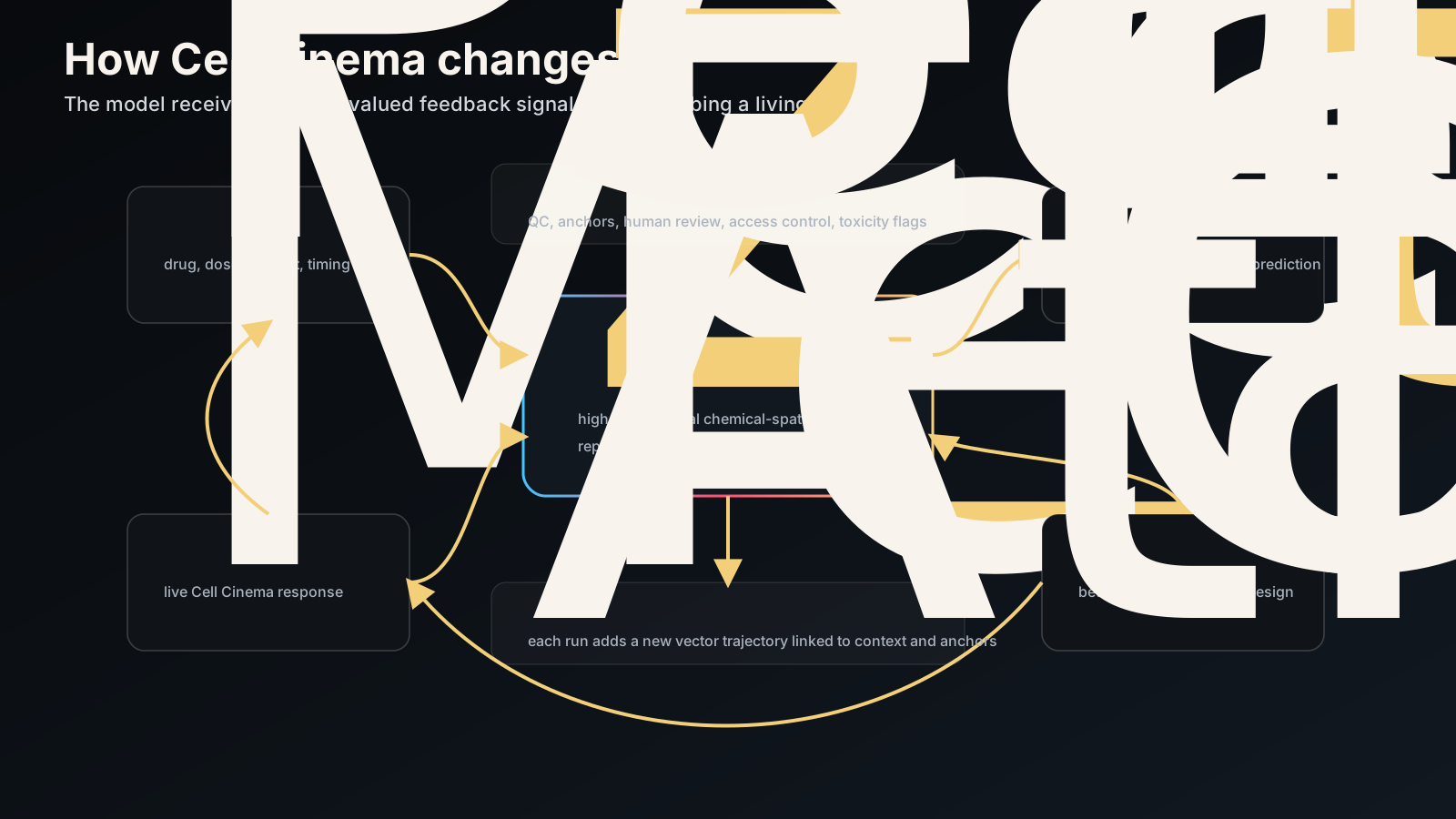
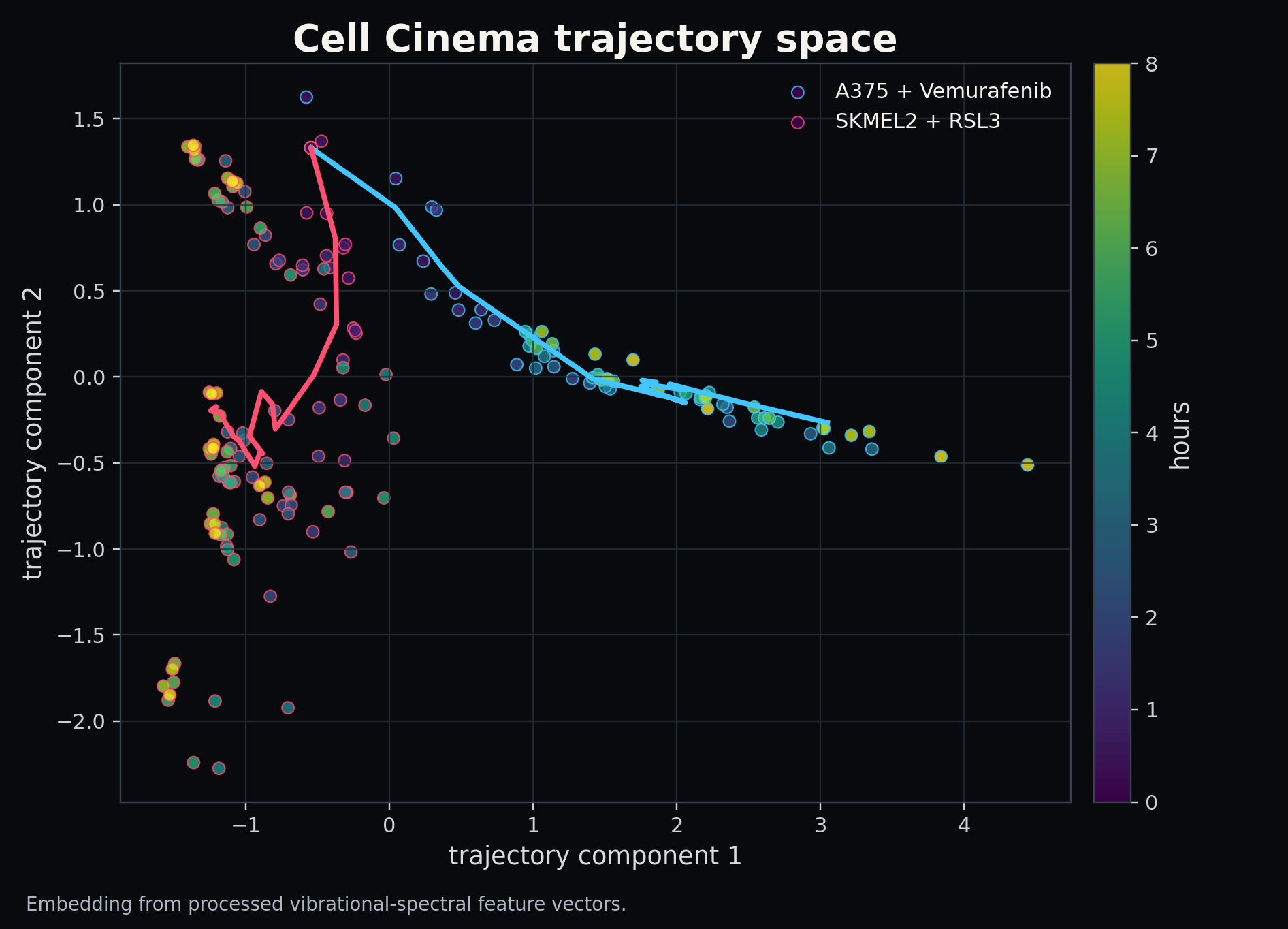
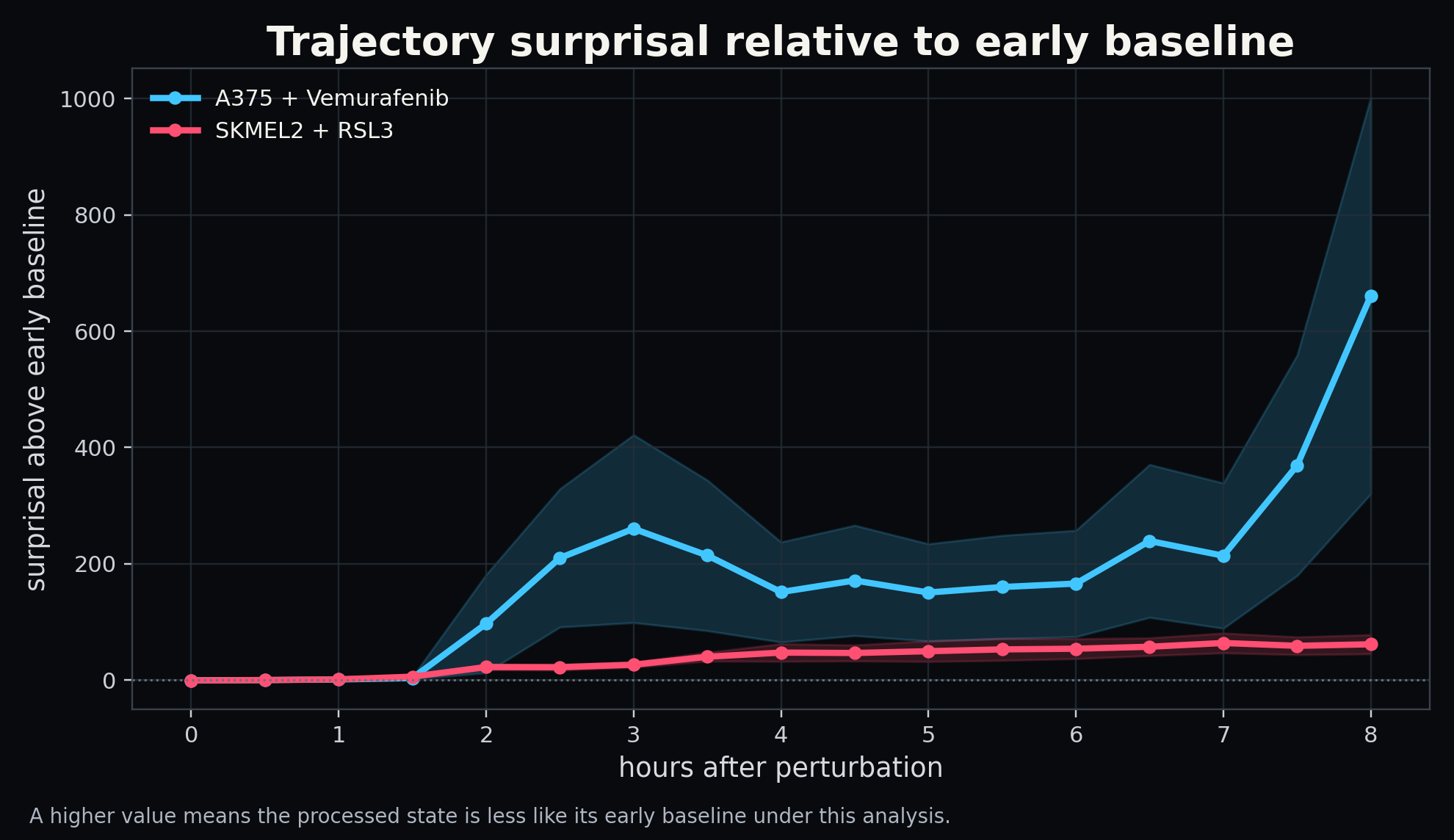
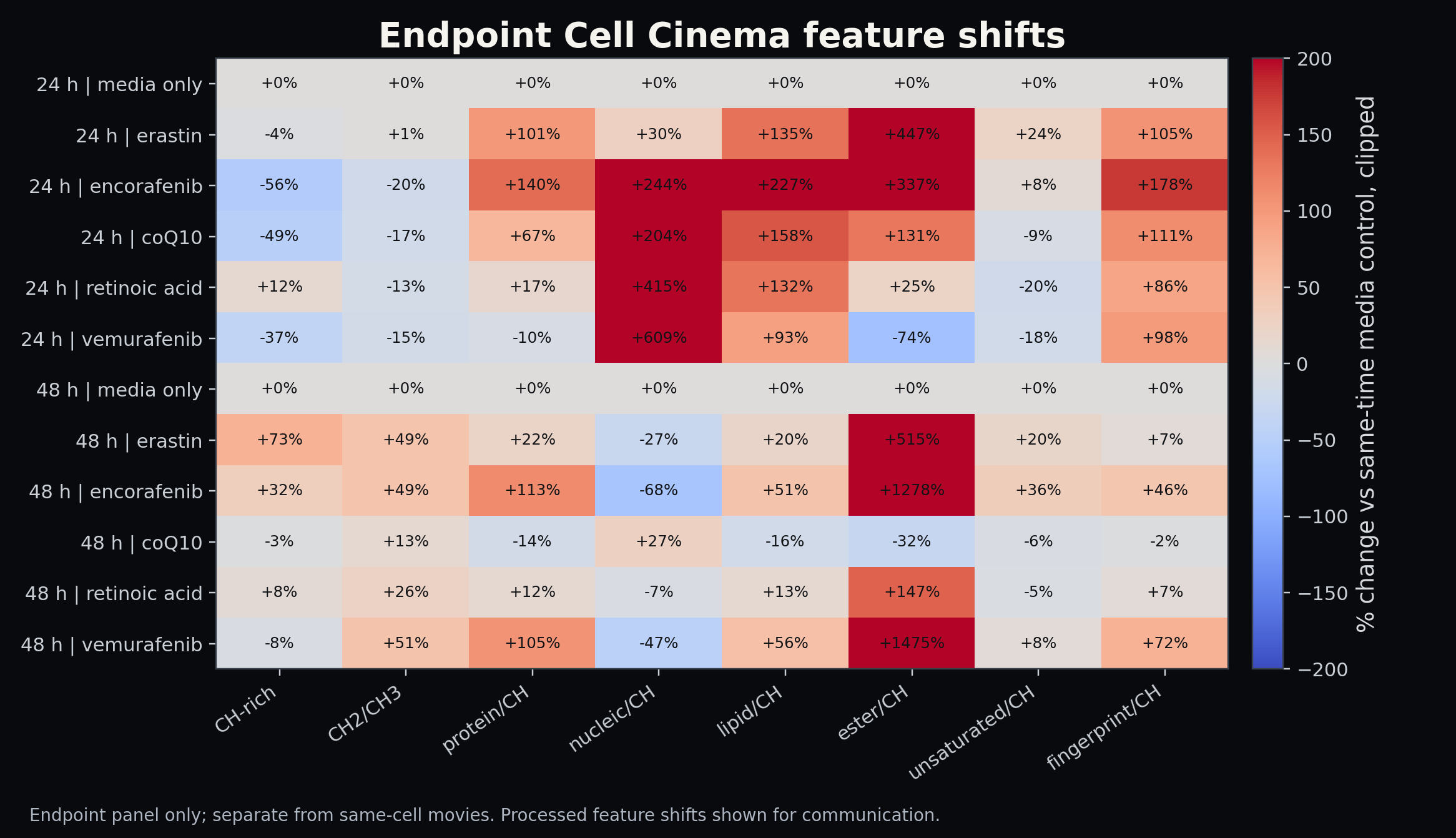
Software agents work because computers expose state, actions, memory, and feedback. A biological agent needs an equivalent physical interface: maintain living systems in controlled context, deliver perturbations as actions, repeatedly measure response, and preserve outcomes through time.
Label-free vibrational-spectral measurements expose native cellular chemistry, but the observation is inseparable from its environment. Temperature, media, flow, dose timing, optical calibration, and microphysiology all change the state being encoded.
Precigenetics therefore treats the experiment as part of the interface. Incubation and controlled perturbation move onto the chip. Human-relevant microphysiology becomes part of the measurement context. Cell Cinema is the observation layer, returning repeated chemical-spatial state from the living system.
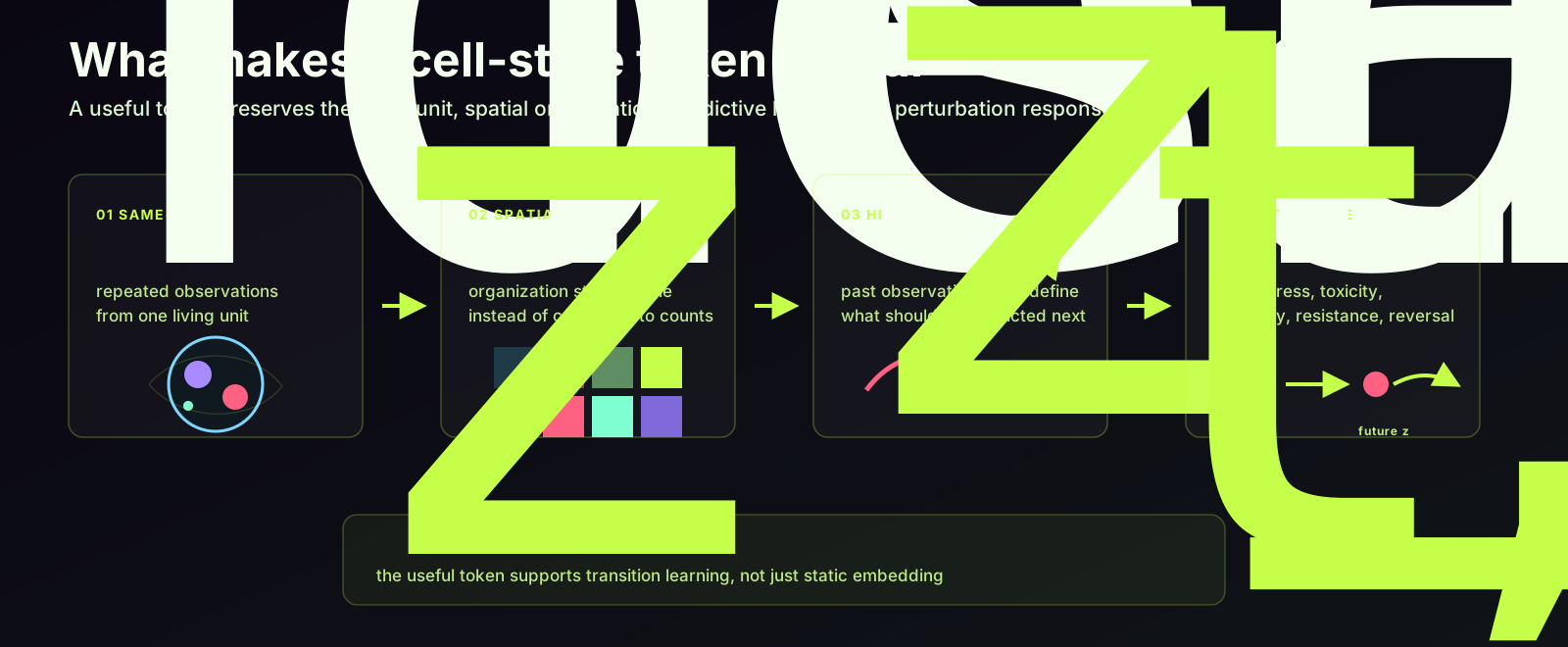
MBOP is the chip direction. Cleopatra is the toxicity foundation-model direction trained on liver-chip trajectory data. Together, the aim is a reproducible industrial system for producing the data object AI drug discovery does not yet have: live cell-state trajectories.
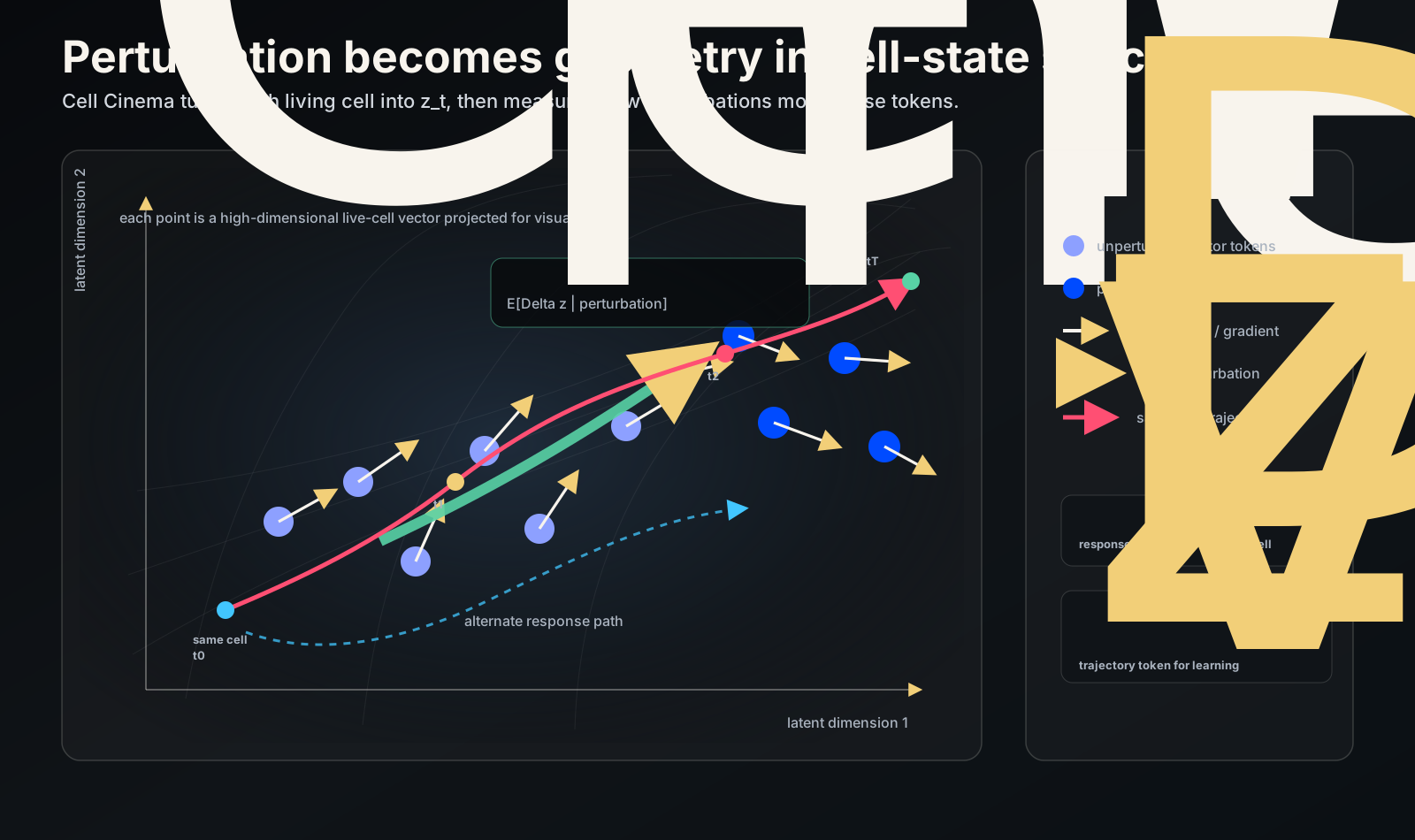
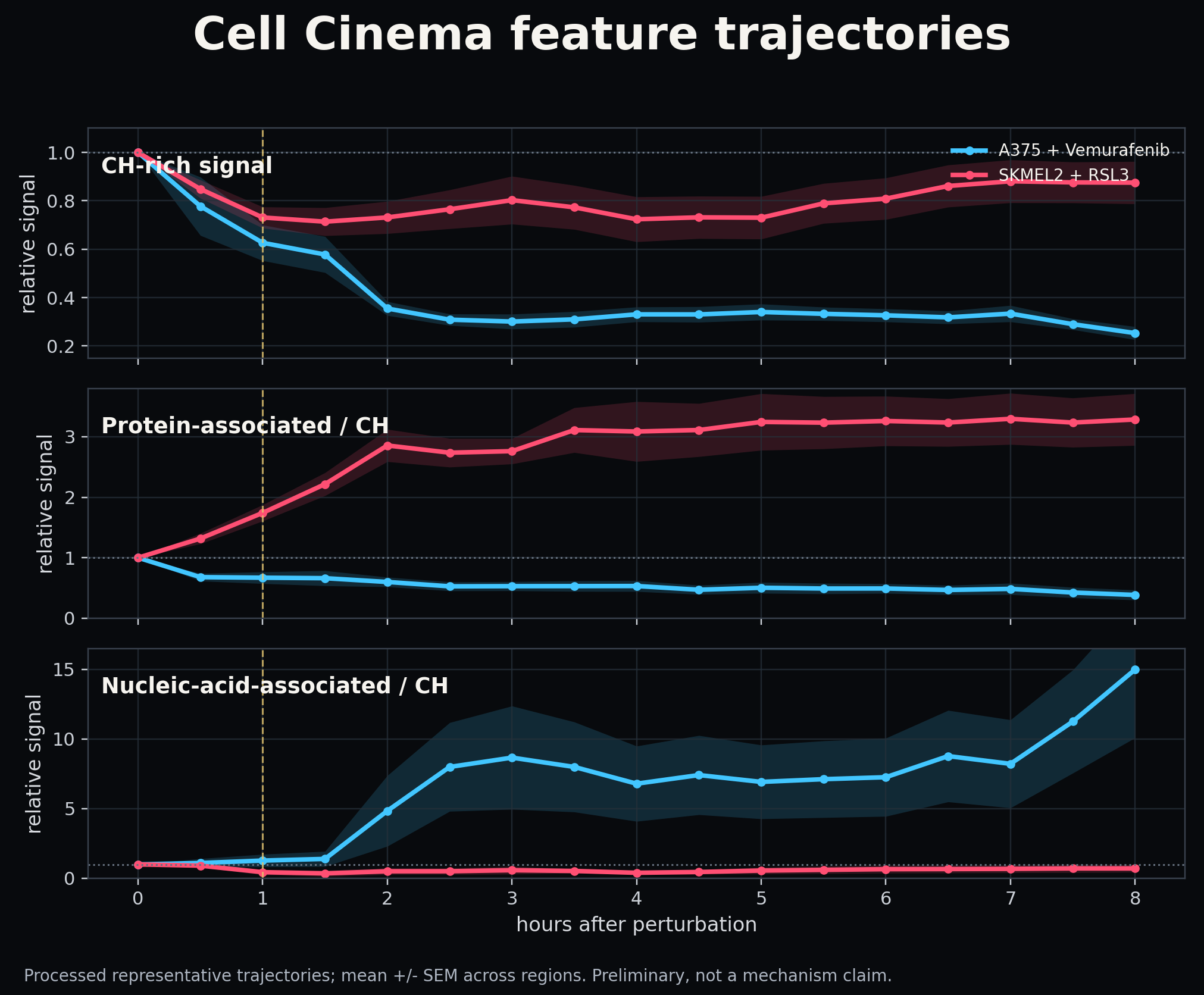
Precigenetics holds IP around this measurement and microfluidic data-factory approach. The thesis is trajectory recovery: HMCVelo showed that temporal motion can be inferred from static epigenomic snapshots; Cell Cinema removes the static constraint by measuring living response directly. The direction is 3D, tissue-facing, and built for human-relevant systems.
"Every cell carries, in the chemical modifications of its DNA, a continuous record of where it has been and a set of instructions for where it is going. To read this record directly — rather than through the downstream proxies of gene expression — is to observe differentiation at its point of origin."
Parmita Mishra, HMC Velo author and founder of Precigenetics
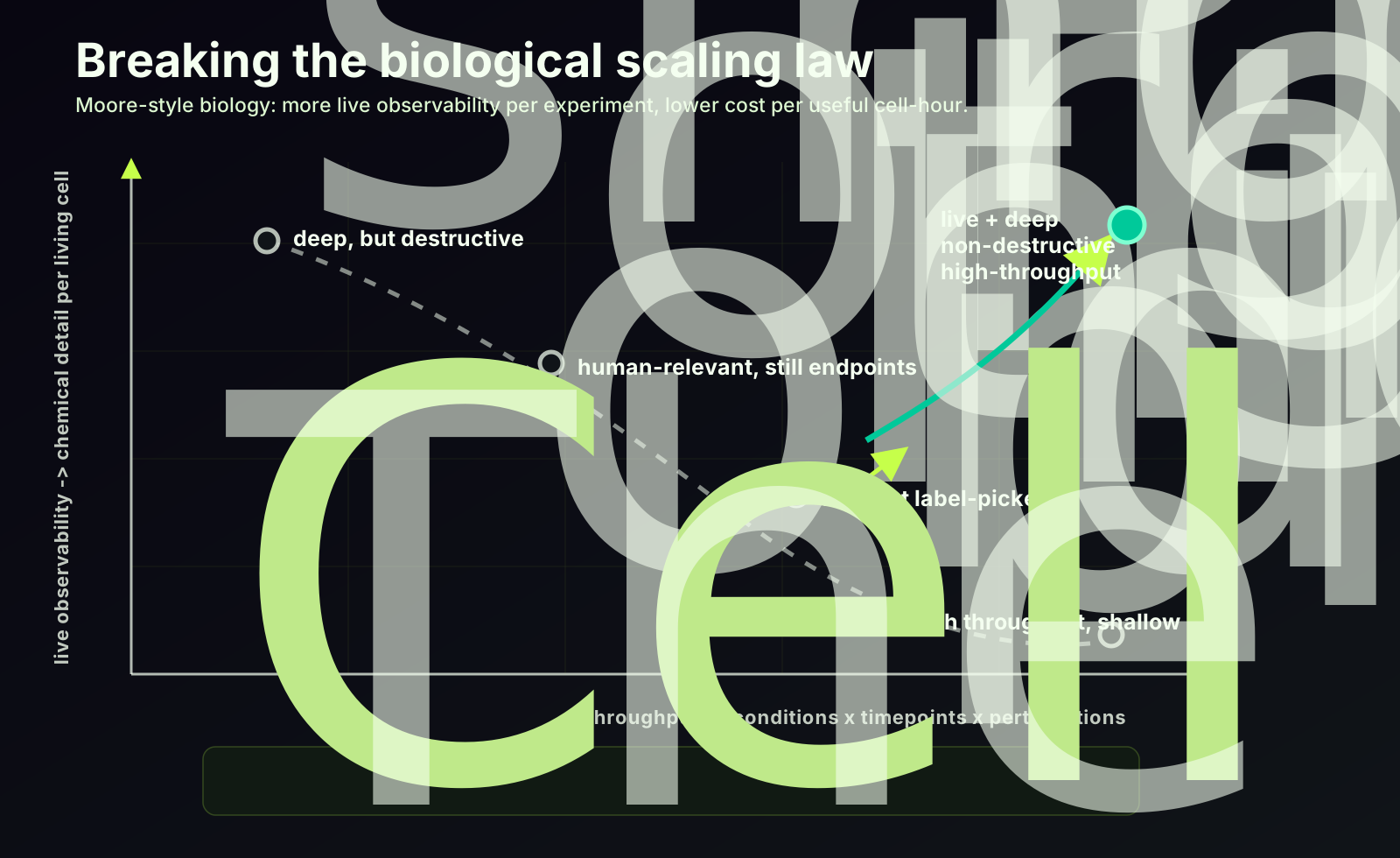
Scaling laws require manufactured measurements.